
Payment Automation Guide: Streamline Your Workflow in 2026
By 2026, the business world will be transformed as digital payment processes become the new standard. A recent study shows that 73% of companies plan to adopt payment automation within the next two years, driven by the need to eliminate manual inefficiencies, reduce costly errors, and safeguard sensitive data. Manual payment workflows create bottlenecks and expose organizations to unnecessary risk, making change urgent for those who want to stay ahead.
This guide breaks down everything you need to know about payment automation. We will define the concept, explore its benefits, examine the core technologies, and walk step by step through implementation and integration strategies. You will also learn how to overcome common challenges and discover future trends shaping finance in 2026. Ready to streamline your workflow and boost your competitive edge? Let’s get started.
Understanding Payment Automation in 2026
Defining Payment Automation
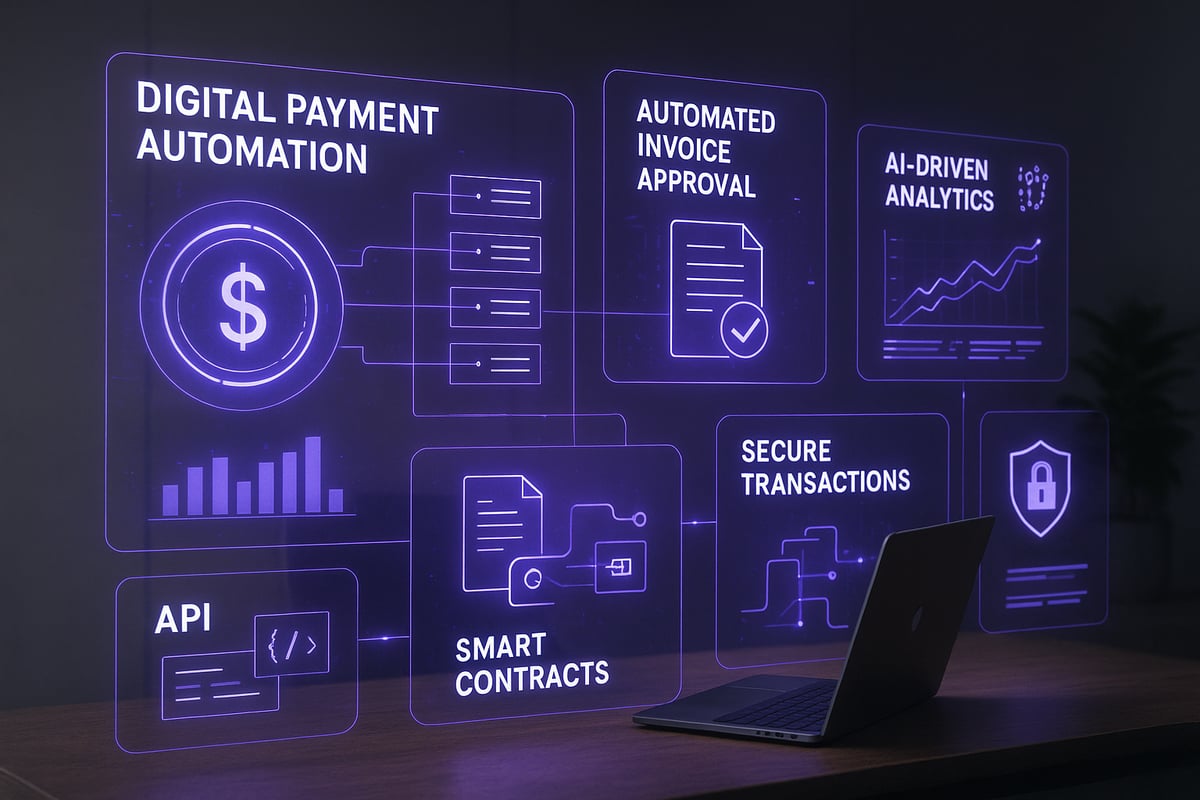
Payment automation in 2026 refers to the use of advanced technology to streamline and manage business payments with minimal manual intervention. Unlike traditional manual payment processes, which rely on spreadsheets, paper checks, and manual approvals, payment automation leverages software platforms, application programming interfaces (APIs), smart contracts, and artificial intelligence (AI) to handle transactions efficiently.
The core components of payment automation include robust software that integrates with existing financial systems, APIs that connect payment platforms to banks and other business tools, AI-driven engines for intelligent decision-making, and smart contracts for conditional, automatic transfers. This combination helps organizations move away from error-prone, time-consuming manual workflows.
Key Benefits for Businesses
Businesses that adopt payment automation experience a range of measurable advantages. First, processing times are reduced significantly, enabling faster settlements and better supplier relationships. Second, automation lowers the risk of human error, which can lead to costly payment mistakes or duplicate transactions.
Other key benefits include:
- Enhanced security and reduced fraud risk through encrypted transactions
- Cost savings driven by reduced labor and fewer errors
- Improved compliance with regulatory standards, as audit trails and reporting are built in
- Real-time visibility into cash flow and outgoing payments, supporting smarter financial decisions
These improvements make payment automation a strategic investment for organizations seeking efficiency and resilience.
Common Use Cases and Industry Applications
Payment automation is now embedded across many standard business workflows. Payroll departments use automated systems to process salaries and bonuses on time. Accounts payable teams rely on automation to handle supplier invoices, schedule recurring payments, and manage mass payouts.
Subscription-based businesses, such as SaaS providers and digital marketplaces, use payment automation to streamline billing cycles and reduce churn. In fact, automated accounts payable (AP) solutions have been shown to cut invoice processing costs by up to 80%, according to Ardent Partners in 2023. For a deeper look at a core use case, see this Automated billing solutions overview.
Payment Automation vs. Traditional Methods
Comparing manual payment processes to payment automation highlights the dramatic improvements possible with technology. Manual workflows often involve paper invoices, slow approvals, and manual data reconciliation, which can cause delays and errors.
| Aspect | Manual Payments | Payment Automation |
|---|---|---|
| Processing Time | Days to weeks | Minutes to hours |
| Error Rate | High | Low |
| Security | Vulnerable | Encrypted, monitored |
| Audit Trail | Limited | Comprehensive |
A mid-sized company, for example, might reduce invoice approval times from 10 days to just 1 hour by switching to payment automation. This shift not only accelerates business but also frees up staff for higher-value tasks.
Core Technologies Powering Payment Automation
Businesses in 2026 are embracing a new wave of core technologies to streamline payment automation. These innovations are reshaping how companies process, secure, and analyze payments. Understanding each pillar will help you choose the right path for your business.
Payment Automation Software Platforms
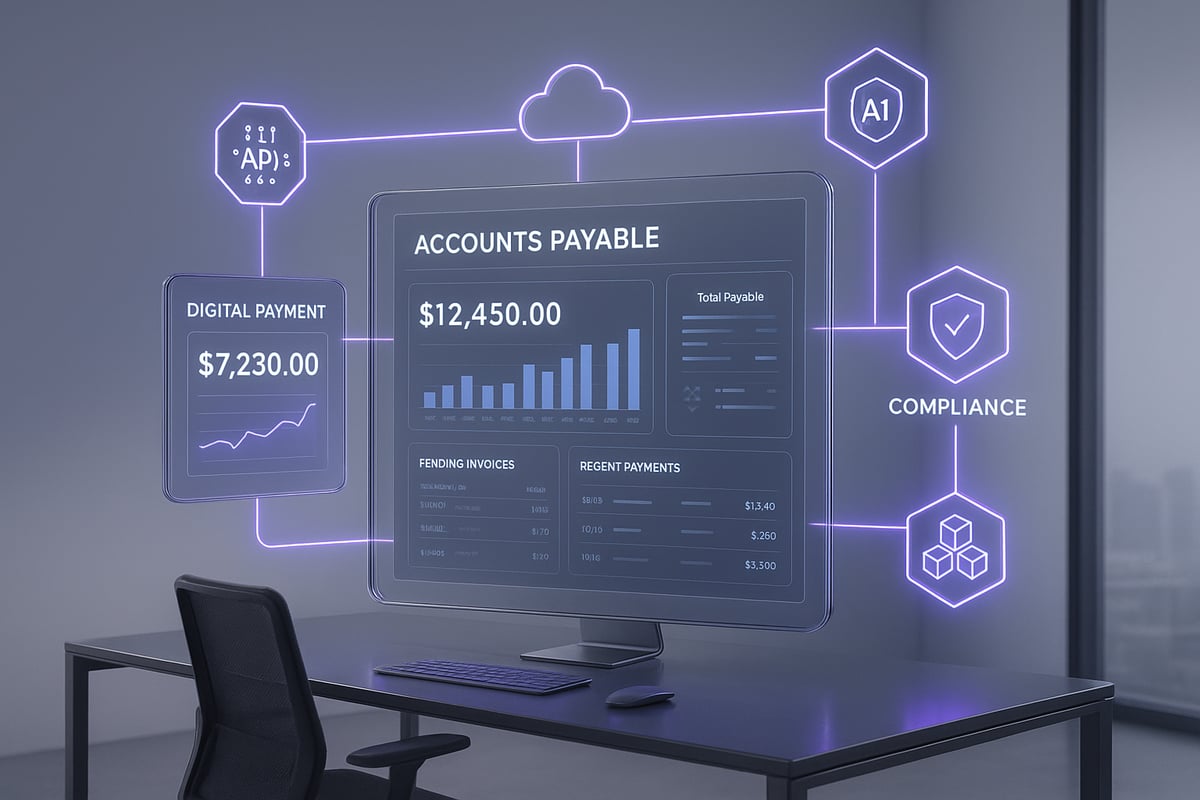
Payment automation software platforms are the backbone of modern financial operations. These solutions handle invoice capture, payment scheduling, approvals, and reconciliation in one unified interface. The shift to cloud-based accounts payable automation is particularly notable, with platforms offering instant scalability, remote access, and reduced IT maintenance.
Core features often include customizable workflows, multi-currency support, and real-time analytics. Cloud deployment means updates and security patches arrive seamlessly, keeping systems resilient. Companies using these platforms report significant reductions in manual work and errors. For a deeper dive into how cloud solutions drive efficiency, see Cloud accounts payable automation.
The right payment automation platform should fit your company’s size, transaction volume, and integration needs. As offerings evolve, expect even tighter connections to other business tools, making payment automation more accessible than ever.
API Integrations and Embedded Payments
API integrations are the connective tissue of payment automation. APIs, or Application Programming Interfaces, let your financial systems exchange data instantly with banking partners, ERPs, and CRMs. This real-time sync eliminates double entry and boosts accuracy.
Embedded payments take this a step further by enabling transactions directly within your business applications. Imagine approving a supplier invoice and triggering payment without leaving your workflow. That’s the promise of payment automation when APIs and embedded payments work together.
Integration also means easier expansion. Need to accept new payment types or automate payouts to contractors? Adding functionality via APIs is quick and scalable, keeping your payment automation future-ready.
Artificial Intelligence and Machine Learning
Artificial intelligence and machine learning are powering smarter payment automation every year. AI-driven systems can automatically match invoices to purchase orders, flag anomalies, and prioritize urgent payments. This reduces human error and speeds up approvals.
Machine learning models can also predict cash flow trends, helping finance teams plan more effectively. For example, AI can analyze historical transactions to forecast when customers are likely to pay, improving working capital management.
A practical use case is AI-based anomaly detection, which spots duplicates or suspicious activity before payments go out. With payment automation, these technologies free staff to focus on strategic tasks rather than manual checks.
Blockchain and Smart Contracts
Blockchain technology is bringing transparency and trust to payment automation. By recording every transaction on a decentralized ledger, blockchain reduces the risk of tampering and disputes. Each payment is traceable, which is essential for audits and compliance.
Smart contracts, built on blockchain, automate payments based on agreed conditions. For instance, a contractor could be paid automatically when a project milestone is met, without manual intervention. This is especially valuable for cross-border B2B transactions, where delays and errors are common.
Some businesses use blockchain to handle mass payouts, ensuring each recipient is paid instantly and with full auditability. As payment automation evolves, expect blockchain’s role to expand.
Security and Compliance Technologies
Robust security is non-negotiable for payment automation. Leading platforms rely on strong encryption to protect sensitive data, along with two-factor authentication to prevent unauthorized access. Comprehensive audit trails record every action, ensuring accountability.
Compliance tools are built into most payment automation solutions. These features help businesses meet regulations like GDPR and PSD2, simplifying reporting and reducing the risk of fines. Automated checks and documentation keep your workflows compliant as standards change.
Layering these security and compliance technologies ensures payment automation delivers efficiency without compromise.
Step-by-Step Guide to Implementing Payment Automation
Rolling out payment automation is a strategic process that touches every layer of your finance operations. To ensure a smooth transition and maximum ROI, follow these actionable steps designed for modern businesses aiming to streamline workflows and boost efficiency.

Step 1: Assess Current Payment Workflows
Begin your payment automation journey by mapping out your existing payment processes. Identify every manual step, from invoice receipt to approval and reconciliation. Look for bottlenecks like lost invoices, approval delays, or duplicate data entry.
Interview key team members to uncover pain points and areas with frequent errors. Document tasks that are repetitive or require significant manual oversight. This honest assessment sets a baseline for improvement and helps you prioritize where automation can deliver the most value.
For more practical tips, see this guide on improving accounts payable process, which covers workflow mapping and identifying inefficiencies.
Step 2: Set Clear Automation Goals and KPIs
Define what you want to achieve with payment automation. Are you targeting faster invoice approvals, lower error rates, improved compliance, or cost savings? Setting clear objectives provides direction and helps you measure progress.
Choose key performance indicators (KPIs) that align with your goals. Examples include payment cycle time, percentage of automated payments, reduction in processing costs, or error frequency. Make sure your KPIs are specific, measurable, and relevant to your business context.
Regularly track these metrics as you implement payment automation. This data-driven approach ensures your project stays on course and delivers tangible results.
Step 3: Choose the Right Payment Automation Solution
Selecting the best payment automation platform is critical. Consider scalability, integration capabilities, data security, user support, and pricing. Evaluate vendors based on how well their solutions fit your unique workflows and future growth plans.
Create a checklist to compare features, such as:
- Cloud accessibility and mobile support
- Pre-built integrations with ERP or banking systems
- Customizable approval hierarchies
- Advanced security protocols
- Transparent pricing and support options
For example, compare three leading platforms side by side. One might offer superior API connectivity, while another excels at real-time reporting. Choose a solution that matches your priorities and can adapt as your business evolves.
Step 4: Plan for Integration with Existing Systems
Successful payment automation depends on seamless integration with your current accounting, ERP, and banking systems. Assess the compatibility of shortlisted solutions with your tech stack.
Prioritize platforms that offer robust API documentation and flexible integration options. This minimizes disruption and ensures accurate data flow between systems.
Work closely with your IT team or external partners to develop an integration roadmap. Test connections thoroughly before going live to avoid data mismatches or workflow interruptions.
Step 5: Data Migration and System Configuration
A smooth transition to payment automation starts with careful data migration. Securely transfer historical payment records, vendor data, and approval histories to your new platform.
Configure the system to reflect your business rules. Set up custom workflows, approval chains, and user roles according to your organizational structure. Use sandbox environments for testing before migrating live data.
Pay close attention to data security during migration. Encrypt sensitive information and restrict access to authorized personnel only.
Step 6: Employee Training and Change Management
People are the heart of any payment automation initiative. Equip your finance and operations teams with practical training tailored to their roles. Offer hands-on sessions, video tutorials, and user guides to build confidence.
Address resistance proactively by communicating the benefits of payment automation, such as less manual work and fewer errors. Involve team leaders early and encourage feedback.
Ongoing support is key. Designate super-users or champions within departments to help colleagues troubleshoot common issues and maintain momentum.
Step 7: Launch, Monitor, and Optimize
Decide whether to launch payment automation with a pilot group or roll out company-wide. Piloting allows you to catch issues early and refine processes before full deployment.
Set up real-time dashboards and automated alerts to monitor payment activity, approval bottlenecks, and exception handling. Schedule regular audits to ensure compliance and data integrity.
Collect feedback from users and review KPI performance. Use this insight to make iterative improvements, adjust workflows, and maximize the impact of your payment automation investment.
Integrating Payment Automation with Business Operations
Seamless integration of payment automation into business operations is essential for maximizing efficiency and accuracy. By embedding these digital processes across core functions, organizations can free up staff, reduce risk, and ensure smooth financial workflows.
Synchronizing with Accounting and ERP Systems
Synchronizing payment automation with accounting and ERP systems transforms how companies handle financial data. When payment processes are automated and integrated, every transaction is recorded instantly, reducing manual data entry and reconciliation time.
Teams no longer need to chase down missing invoices or re-enter payment details. Instead, payment automation tools push data directly to the general ledger, keeping records accurate and up to date. This not only accelerates month-end close but also enhances audit readiness.
For organizations using platforms like QuickBooks, integrating accounts payable automation delivers even greater value. According to QuickBooks accounts payable automation, businesses can streamline approval workflows, cut processing errors, and maintain tighter control over cash flow by connecting payment automation directly to their accounting environment.
Automating Supplier and Vendor Payments
Payment automation offers a strategic advantage in handling supplier and vendor payments. Companies can set up recurring payments, automate approvals, and track every step in a centralized dashboard.
Automated systems help capture early payment discounts and support dynamic discounting, adding measurable savings to the bottom line. Supplier onboarding becomes far less cumbersome, as data flows directly from procurement to payment without repeated manual checks.
A standout example is supplier onboarding automation, which can reduce onboarding time by 50 percent. With payment automation, finance teams gain flexibility to adapt workflows as supplier requirements change, ensuring that vendors are paid accurately and on schedule.
Streamlining Payroll and Expense Reimbursements
Integrating payment automation into payroll and expense reimbursement processes accelerates payouts and minimizes errors. Payroll cycles that once took several days can now be completed in a few hours, with direct deposits sent automatically to employee accounts.
Expense management tools sync seamlessly with payment automation solutions, allowing staff to submit receipts, trigger approvals, and receive reimbursements with minimal delay. This not only improves employee satisfaction but also creates an auditable trail for compliance purposes.
For instance, organizations have reported processing monthly payroll in hours instead of days, freeing HR and finance professionals to focus on strategic tasks rather than repetitive data entry.
Enhancing Customer Payments and Subscriptions
Payment automation elevates the customer experience by enabling fast, reliable, and flexible payment options. Automated invoicing, reminders, and payment collection help reduce late payments and manual follow-up.
Supporting multiple payment methods, such as credit cards, ACH transfers, and digital wallets, ensures customers can pay in the way that suits them best. Subscription-based businesses particularly benefit from automated billing, which reduces churn by eliminating missed payments and service interruptions.
A SaaS company, for example, streamlined its workflow by using payment automation to manage subscription billing, resulting in fewer failed payments and higher customer retention rates.
Payoro: Seamless Payment Automation Solutions
Payoro delivers real-time, secure, and borderless payment automation for businesses worldwide. Its platform supports both fiat and crypto transactions, enabling instant payouts with robust API integration for merchants. Payoro ensures compliance with applicable regulations and provides 24/7 customer support, making it a trusted partner for modern businesses.

Overcoming Common Challenges in Payment Automation
As businesses scale their payment automation strategies, a few core challenges consistently surface. Addressing these effectively ensures the technology delivers on its promise: faster, safer, and more reliable financial operations.
Data Security and Fraud Prevention
Robust security is non-negotiable in payment automation. Sensitive financial data attracts cyber threats, making encryption and multi-factor authentication essential. AI-powered monitoring tools can detect suspicious activity in real time and prevent unauthorized transactions.
A layered approach to security includes:
- End-to-end encryption for data in transit and at rest
- Role-based access controls to limit sensitive actions
- Automated audit trails for every transaction
According to the global payments industry analysis 2025, advanced AI tools are increasingly used to identify fraud patterns and flag anomalies before losses occur. Businesses that prioritize these safeguards build trust and resilience into their payment automation systems.
Managing Change and User Adoption
Implementing payment automation often triggers resistance from finance and operations teams. People worry about job changes, unfamiliar interfaces, or losing control over processes. Overcoming this requires thoughtful change management and clear communication.
Effective strategies include:
- Early involvement of key users in platform selection
- Regular training sessions tailored to different roles
- Leadership endorsement and visible support
A recent report on financial automation statistics for 2025 highlights that 61% of failed automation projects cite poor change management as the root cause. Organizations that listen to concerns and provide hands-on support see faster adoption and higher returns on payment automation investments.
Handling Exceptions and Complex Payment Scenarios
Not every payment fits a standard, repeatable path. Exceptions like disputed invoices, partial payments, or urgent manual overrides can disrupt automated flows. Flexible systems are vital to handle these scenarios without reverting to fully manual work.
Best practices include:
- Configurable approval workflows for exceptions
- Automated escalations for delayed or problematic transactions
- Real-time alerts to keep stakeholders informed
For example, a company using payment automation for mass payouts might set up rules that trigger human review if a payment falls outside normal parameters. This ensures that automation does not sacrifice accuracy or control.
Ensuring Regulatory Compliance
Regulatory requirements for digital payments change frequently. Payment automation platforms must support compliance with standards like GDPR, PSD2, and local tax laws. Automated audit trails, permission controls, and built-in reporting features help businesses stay prepared for audits or regulatory reviews.
Key compliance steps:
- Maintain comprehensive logs of all payment activities
- Automate generation of compliance documents and reports
- Regularly update systems to reflect new regulations
By integrating compliance into payment automation, businesses reduce the risk of fines and reputational damage. This proactive approach also frees up teams to focus on strategy rather than paperwork.
Future Trends and Innovations in Payment Automation
The landscape of payment automation is rapidly evolving, shaped by new technologies and shifting business priorities. As we move into 2026, several trends are set to redefine how companies manage, optimize, and secure their payment workflows.
Rise of Real-Time Payments and Instant Settlements
Real-time payment networks are gaining momentum across Europe and the globe. These systems allow businesses to move funds instantly, which can dramatically improve cash flow and supplier relationships. For example, the adoption of real-time SEPA payments in the EU has reduced settlement times from days to seconds. According to Digital payment trends worldwide 2025, instant payment solutions are expected to become the norm, especially as customer expectations for speed and transparency rise. Payment automation platforms are now integrating these networks to enable immediate payouts and facilitate seamless reconciliation. This trend is not only about speed but also about providing granular visibility into each transaction.
Expansion of AI-Driven Automation
Artificial intelligence is taking payment automation to the next level. AI and machine learning models can now analyze large volumes of transaction data, identifying patterns and anomalies that humans might miss. These capabilities are helping companies predict cash flow needs, optimize payment scheduling, and detect potential fraud before it happens. Intelligent bots are increasingly handling approval workflows, flagging exceptions, and even completing routine tasks autonomously. As a result, finance teams can shift their focus from manual checks to strategic analysis. The expansion of AI within payment automation is making processes smarter, faster, and more resilient to errors.
Increased Adoption of Digital Currencies and Stablecoins
The use of digital currencies and stablecoins is transforming B2B payment automation. With the introduction of the digital euro and the growing popularity of regulated stablecoins, businesses are exploring new ways to lower transaction fees and accelerate cross-border settlements. Payment automation platforms are starting to support both fiat and crypto transactions, providing flexibility and new opportunities for global commerce. For instance, companies are leveraging stablecoins to pay international suppliers instantly, bypassing traditional banking delays. This shift is not only about technology but also about expanding access to new markets and financial instruments.
Greater Focus on Sustainability and ESG Reporting
Sustainability is becoming a core consideration in payment automation. Businesses are seeking solutions that help them track and automate payments linked to environmental, social, and governance (ESG) goals. For example, automated systems can ensure timely carbon offset payments, manage green finance transactions, and generate real-time reports for ESG audits. This focus on sustainability is driving innovation in how payment automation platforms are designed, with new features supporting transparency, traceability, and compliance with evolving regulations. Companies that prioritize ESG through automated payments are not only improving processes but also strengthening their reputation and stakeholder trust.
As we’ve explored, automating your payment processes in 2026 isn’t just about keeping up with technology—it’s about unlocking new efficiencies, reducing risk, and positioning your business for growth. With solutions like Payoro, you can confidently manage both fiat and cryptocurrency payments, streamline real time transactions, and ensure compliance across borders. If you’re ready to take the next step toward a secure, integrated, and future proof payment workflow, I invite you to connect with our team for tailored guidance and support.
Contact sales
Let’s make payment automation work for you.
Share article on


Related articles
See all articles Instant Payouts: Why Speed Matters for Platform Retention
Platforms offering instant payouts see 20-35% higher seller retention. Learn how instant payout rails work and how to...

What Is a Payout API and How Does It Work?
A payout API lets your platform send money to recipients automatically. Learn how the flow works, who needs...
What Are Payment Rails? A Guide to Faster, Smarter Payouts
Payment rails determine how fast and cheap your payouts arrive. Learn about SEPA, SWIFT, card networks, and blockchain...
How to Reduce Cross-Border Payout Costs for Your Business
Cross-border payouts drain margins through hidden fees, FX markups, and slow settlement. Learn practical strategies to cut costs...