
Automating Payments Guide: Streamline Your Finances in 2026

Juggling bills, subscriptions, and monthly payments can quickly become a constant source of stress, especially now that digital services keep multiplying. In 2026, personal and business finances are more complex than ever, with new platforms and payment solutions appearing every year.
That’s why many are turning to automating payments. By setting up the right systems, you can avoid late fees, reclaim your time, and take control of your money with far less effort.
This guide walks you through everything you need to know about automating payments for streamlined finances in 2026. You’ll learn about the benefits, the latest automation tools, step-by-step setup, key security practices, and expert tips to get the most from your automated financial routine.
Why Automating Payments Matters in 2026
Managing finances in 2026 is more complex than ever before. Most people juggle a growing list of bills, digital subscriptions, and service payments, all with their own unique due dates and payment methods. For many, it can feel like a never-ending cycle of reminders and tasks. Automating payments is quickly becoming not just a convenience, but a necessity in this environment.
Recent industry reports reveal that by 2026, over 70% of households will handle at least five automated payments each month. This trend is fueled by the rapid expansion of subscription-based services, from streaming platforms to essential utilities. The shift towards automating payments is driven by a desire to simplify life and avoid the pitfalls of manual bill management. If you are interested in a deeper dive into the mechanics and benefits, the Automated billing solutions guide offers practical insights.
The consequences of missing a payment can be costly. Late fees, service interruptions, and negative impacts on credit scores are real risks for anyone relying on memory alone. Automating payments reduces these risks significantly by ensuring each bill is paid on time, every time. This also means no more frantic searches for due dates or tracking down lost invoices.
Time is one of the most valuable resources, and automating payments gives it back to you. Studies show that the average person spends more than eight hours every month managing bills manually. For businesses and freelancers, this time can quickly multiply. Automating payments streamlines these tasks, freeing up hours that can be better spent on growth, client work, or personal pursuits.
Beyond time savings, automating payments supports better cash flow management. When payments are scheduled and predictable, businesses can plan their budgets more accurately and avoid the stress of sudden cash shortages. Individuals also benefit from seeing consistent outgoing expenses, making it easier to forecast and control monthly budgets.
Financial stress is a major source of anxiety for many people. By automating payments, you remove much of the uncertainty and worry tied to remembering due dates or handling unexpected late fees. This predictability leads to greater peace of mind, allowing you to focus on what matters most. The routine of automating payments can even build positive financial habits over time.
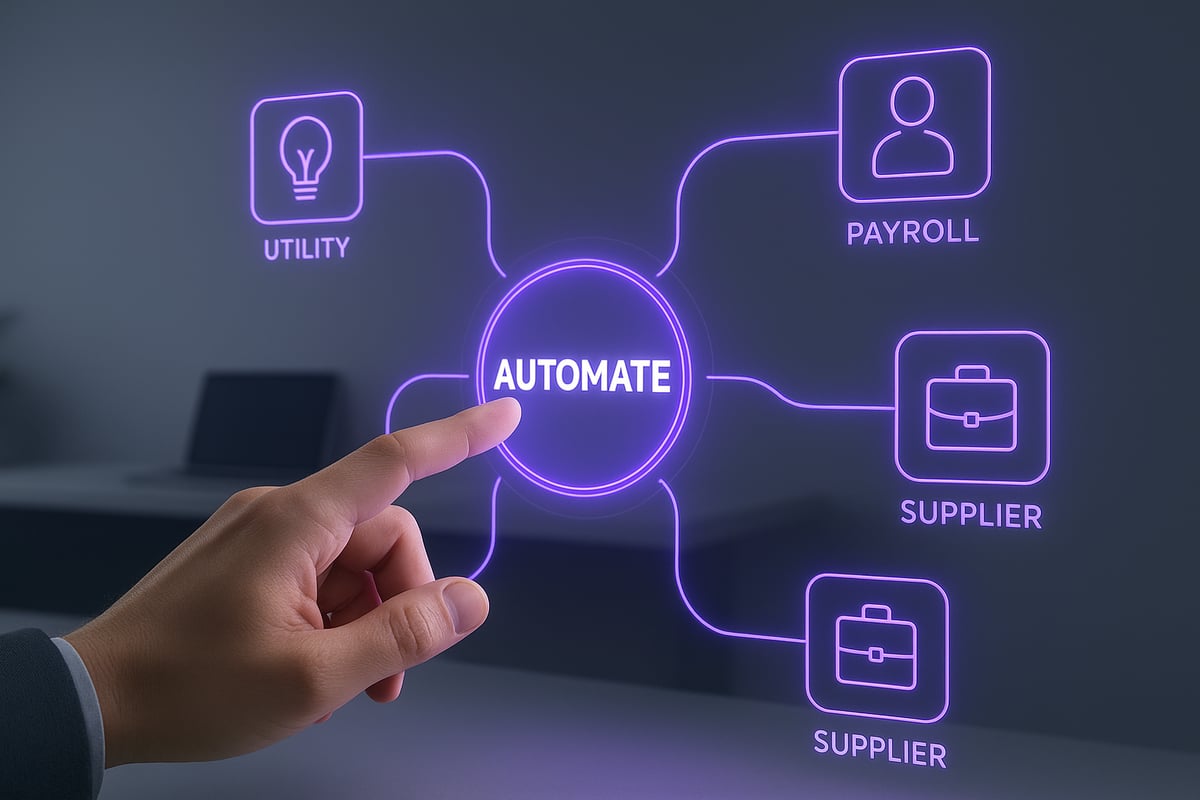
Consider the example of a small business owner in 2026. With suppliers, payroll, and subscription services all requiring regular payments, manual tracking would be overwhelming. By automating payments across these accounts, the owner can focus on growing the business rather than chasing down invoices or worrying about missed deadlines. This approach not only saves time but also strengthens relationships with partners and employees by ensuring timely, reliable payments.
| Benefit | Personal Finances | Business Finances |
|---|---|---|
| Missed Payments Reduced | ✓ | ✓ |
| Late Fees Avoided | ✓ | ✓ |
| Time Saved Monthly | 8+ hours | 10+ hours |
| Predictable Expenses | ✓ | ✓ |
| Reduced Stress | ✓ | ✓ |
In summary, automating payments is no longer a futuristic concept. It is a practical, proven strategy for regaining control over your finances in 2026, whether you are managing a household or running a business. The benefits are measurable, the process is accessible, and the peace of mind is invaluable.
Choosing the Right Tools and Platforms for Payment Automation
Selecting the right platform for automating payments in 2026 is a foundational decision for both individuals and businesses. The landscape has changed rapidly, with new features, integrations, and security standards emerging every year.
Finding the ideal fit means understanding both your current needs and future ambitions. Below, we break down the essential considerations.
Key Features to Look For in Automation Tools
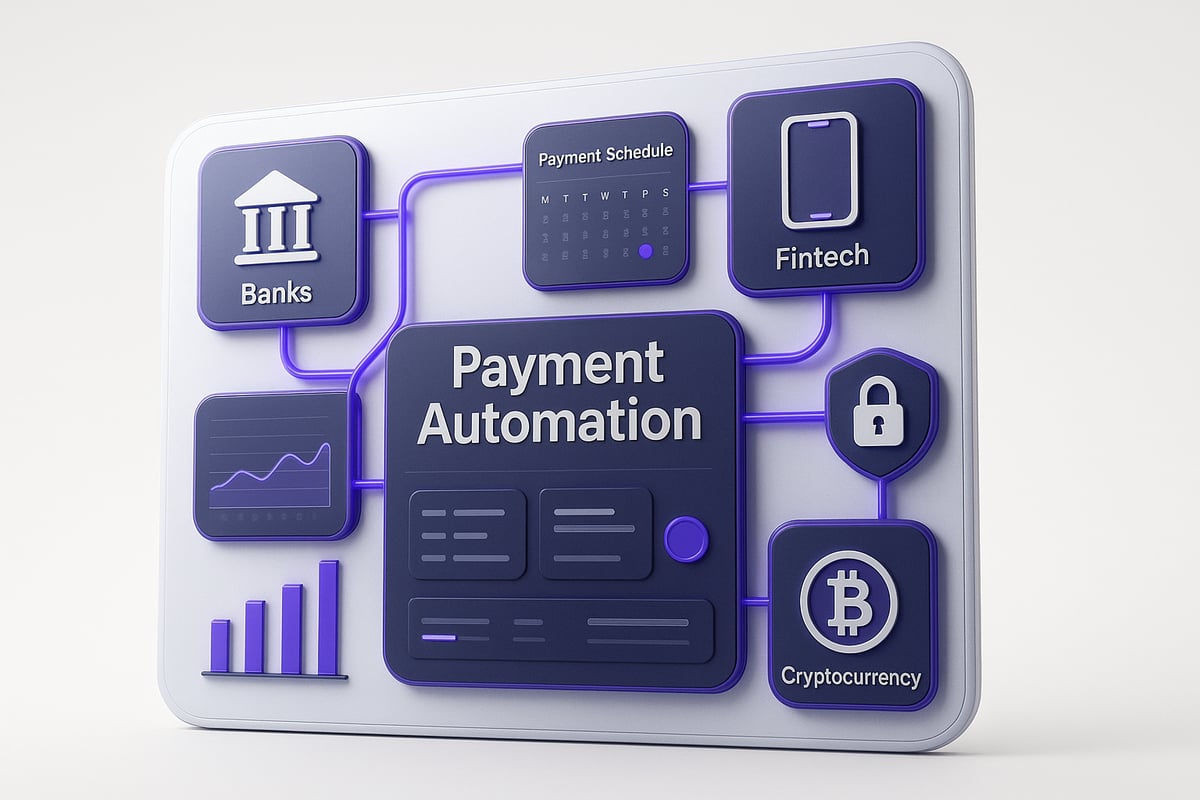
When exploring tools for automating payments, integration is non-negotiable. Leading platforms sync with banks, credit cards, and even digital wallets, letting you manage everything from one dashboard.
Support for both fiat and cryptocurrencies is becoming mainstream. In 2026, many users expect to automate payments in EUR, USD, and digital assets like BTC or ETH. Multi-currency support simplifies paying international vendors or managing global subscriptions.
User experience matters. A clean, mobile-friendly dashboard makes it easy to set up or adjust automation on the go. Customizable payment schedules and real-time notifications help prevent missed payments and keep you in control.
Security is a top priority. Look for encryption, two-factor authentication, and proactive fraud monitoring. Platforms without these can put your finances at risk.
| Feature | Platform A (Basic) | Platform B (Advanced) |
|---|---|---|
| Multi-currency | No | Yes |
| Crypto support | No | Yes |
| Two-factor auth | Yes | Yes |
| API integration | Limited | Robust |
Choosing a tool with these features can make automating payments seamless and secure.
The Role of Banks, Fintechs, and Payment Apps
Traditional banks have offered basic recurring payment setups for years, but fintech solutions have raised the bar. Modern fintech apps provide faster onboarding, broader integrations, and often lower fees compared to legacy institutions.
API-driven platforms are changing how businesses approach automating payments. For example, a freelancer working with international clients can leverage a fintech app to handle cross-border payments efficiently, without navigating complex bank processes.
Fintech apps also allow for rapid scaling. Businesses can automate everything from payroll to supplier invoices, minimizing manual intervention. Many of these solutions are built with transparency in mind, often publishing detailed payment automation for businesses strategies to help users maximize efficiency.
Choosing between banks and fintechs comes down to flexibility, cost, and the complexity of your payment needs.
Evaluating Costs and Hidden Fees
Not all platforms for automating payments are created equal when it comes to pricing. Transparent fee structures are essential. Some providers use subscription models, while others charge per transaction.
Hidden costs, such as processing fees for currency conversion or surprise charges for exceeding usage limits, can erode your savings. Always read the fine print before committing.
For instance, a user might discover unexpected charges on a legacy platform when automating payments for international services. Understanding the full cost landscape helps you avoid unpleasant surprises and make informed choices.
Payoro: Modern Payment Automation for the EU and Beyond
Payoro stands out in the 2026 payment automation scene by offering seamless, secure money transfers and sophisticated automation features. Its app enables you to manage both fiat and cryptocurrencies from a single interface, supporting real-time transactions and rapid payouts.
For businesses, Payoro’s robust API means you can integrate payment automation directly into your existing systems. This streamlines everything from payroll to mass payouts, reducing manual errors and increasing efficiency.
Personal accounts enjoy zero monthly fees and clear, transparent pricing for business users. Security is on par with EU-grade standards, with 24/7 human customer support available.
Imagine a merchant needing to send hundreds of payouts to suppliers or partners across borders. With Payoro’s API-driven platform, automating payments becomes not just possible, but easy and scalable.
Whether you are an individual or a business, Payoro’s automation solutions offer flexibility, security, and peace of mind for managing payments in a rapidly evolving financial world.
Step-by-Step Guide: How to Automate Your Payments in 2026
Getting started with automating payments can feel daunting, but breaking it down step by step makes the process manageable. This guide walks you through each phase, blending practical advice with real-world examples to help you streamline your finances in 2026.

Step 1: Audit Your Existing Payments
Begin your journey to automating payments by conducting a thorough audit of your financial obligations. List every recurring bill, subscription, and payment, no matter how small. Use budgeting tools or a simple spreadsheet to track:
- Utilities (electricity, water, internet)
- Streaming and software subscriptions
- Credit card and loan repayments
- Insurance premiums
- Business-related expenses
Identify which payments are already automated and which require manual action. Many people are surprised to find they manage more than a dozen recurring transactions each month.
For a household, mapping out all 15 monthly payments can reveal hidden expenses and opportunities for optimization. By understanding your full payment landscape, you lay the groundwork for effective automating payments.
Step 2: Select the Best Platform(s) for Your Needs
Choosing the right platform is critical for successful automating payments. Start by evaluating your needs: do you require multi-currency support, cryptocurrency integration, or advanced reporting? Consider how well each platform integrates with your existing financial accounts.
Look for features like:
- Seamless bank and wallet connections
- Intuitive user interface
- Reliable customer support
- Security certifications
Freelancers often compare platforms based on their ability to handle cross-border transactions and manage both personal and business cash flows. Taking the time to align your platform’s strengths with your automating payments goals ensures a smoother setup and fewer headaches later.
Step 3: Set Up Automation Rules and Schedules
Once you’ve selected your tools, it’s time to define exactly how automating payments will function for you. Set payment dates, frequencies, and amounts for each bill or obligation. Most modern platforms allow you to customize notifications for upcoming due dates, successful transactions, or failed payments.
Consider automating transfers to savings or investment accounts, not just bills. For businesses, establish separate cycles for payroll, supplier invoices, and operational expenses.
A business might schedule payroll every two weeks and supplier payments on the first of the month. This level of detail prevents overlap and cash flow issues, while also supporting robust automating payments processes.
Step 4: Connect Accounts and Authorize Payments
With rules in place, connect your bank accounts, credit cards, or digital wallets to your chosen platform. Follow the platform’s security protocols, granting necessary permissions for automatic debits.
Many systems require you to verify connections with a small test transaction—this adds a layer of security and ensures everything is set up correctly. Pay attention to any prompts for two-factor authentication or additional verification.
For example, a user linking a crypto wallet to automate utility bill payments will typically complete a verification step and receive confirmation before the first automated payment is processed. This careful approach reinforces the reliability of automating payments.
Step 5: Monitor, Adjust, and Optimize
Automating payments does not mean setting and forgetting. Regularly review your automated transactions to catch errors, duplicate charges, or changes in payment amounts. Update your payment details promptly if your card expires or you change banks.
Pause or cancel subscriptions you no longer use to avoid unnecessary spending. Optimization is especially crucial for businesses with recurring vendor payments or mass payouts. For deeper insights on optimizing recurring business payments, accounts payable automation insights can help identify best practices and pitfalls.
An individual might notice a duplicate gym membership charge, while a business may spot a vendor billing error. Staying proactive keeps your automating payments strategy efficient and cost-effective.
Step 6: Set Up Alerts and Safeguards
Protect your finances by enabling alerts for failed payments, low balances, or suspicious activity. Most platforms offer customizable notifications via email, SMS, or app.
Implement two-factor authentication and, where possible, biometric logins. For high-value transactions, consider limiting automation or requiring manual approval.
A business owner receiving instant fraud alerts can intervene before significant losses occur. These safeguards reinforce the security of automating payments, ensuring peace of mind.
Step 7: Maintain Documentation and Compliance
Keep digital records of all automated payments for tax, audit, and budgeting purposes. Most platforms let you export transaction logs, which simplifies reporting and compliance.
Stay up to date with local and international payment regulations to avoid fines or disruptions. For freelancers and businesses, exporting payment logs at year-end can save hours during tax season.
By maintaining thorough documentation, you support transparent and compliant automating payments, making financial management less stressful and more reliable.
Security, Privacy, and Risk Management in Payment Automation
Managing security and privacy is absolutely critical when automating payments. As digital transactions grow, so do the risks. With more platforms and accounts connected, the attack surface expands, making it vital to understand both the threats and the safeguards needed. If you are automating payments for personal or business finances, your digital footprint is larger than ever, and vigilance is non-negotiable.

Security Risks in Automating Payments
Automating payments introduces convenience, but it also brings unique security challenges. Common threats include unauthorized debits, phishing attacks that target login credentials, and data breaches where sensitive information is exposed. Account takeovers can lead to fraudulent transactions or even loss of funds, especially if weak passwords or outdated software are in place.
Additionally, automated systems can sometimes trigger payments without manual review, making it easier for errors or malicious activity to go unnoticed. If a platform suffers a breach, attackers may gain access to linked accounts or stored payment details. For anyone automating payments, understanding these risks is the first step toward effective protection.
Best Practices for Secure Automation
To protect yourself and your business, robust security practices are essential. Always use strong, unique passwords and enable two-factor authentication (2FA) wherever possible. Regularly audit your accounts for suspicious activity, and set up alerts for any unusual transactions or failed payment attempts.
Encryption is a must for any platform handling automated transfers. When possible, restrict automation for high-value payments and review permissions granted to apps and services. For a comprehensive overview of security measures, check out Digital Guardian’s payment security best practices, which offers actionable steps for safeguarding automated payment systems.
Privacy and Data Handling
Automating payments means sharing financial data with third-party platforms. It is important to know how these services store, process, and protect your information. Look for clear privacy policies, transparent data handling practices, and options to limit data sharing wherever possible.
Most reputable providers use advanced encryption to secure stored and transmitted data. Still, always review what information is collected and why. If automating payments across borders, be aware of additional privacy considerations due to regional data protection laws. Never overlook the importance of maintaining control over your personal and business data.
Regulatory Compliance in 2026
Regulations governing automating payments are evolving quickly. In 2026, standards like GDPR in Europe and PSD2 for open banking require platforms to implement strict controls around data access and consent. US and EU rules are tightening, especially for cross-border and business payments.
Staying compliant means not only choosing platforms that meet current regulations but also keeping an eye on upcoming changes. For example, Nacha’s 2026 updates on fraud prevention are shaping how businesses approach payment security and risk mitigation. For more on these evolving standards, see Nacha’s 2026 updates on fraud prevention.
Real-World Lessons and Risk Mitigation
Consider the real-world impact: in a recent incident, a popular payment automation platform suffered a breach that exposed user credentials. Thanks to layered security and prompt alerts, affected users were able to reset credentials and limit losses. This underscores why 85% of consumers cite security as their top concern with automating payments.
To minimize risk, always choose reputable providers, set up real-time transaction alerts, and limit automation for large or sensitive payments. Regularly review automated payments to catch errors, duplicate charges, or unexpected changes. By following these steps, you can enjoy the benefits of automating payments while keeping your finances secure and your mind at ease.
Advanced Strategies for Optimizing Automated Payments
Staying ahead in automating payments requires more than basic scheduling. Advanced strategies unlock smarter, more resilient systems that adapt to your needs, minimize errors, and help you grow. Explore the latest ways to optimize your approach, from AI-driven analytics to multi-currency management.
Leveraging AI and Smart Analytics
AI is transforming automating payments by making them more intelligent and adaptive. Modern platforms use machine learning to anticipate spending patterns, schedule payments for optimal timing, and flag unusual transactions before they become issues.
For example, an AI-driven tool may analyze your income and expense history, then automatically reschedule a payment if it detects a risk of overdraft. This kind of predictive automation not only prevents costly mistakes but also helps you maintain cash flow.
Smart analytics dashboards give you a bird’s-eye view of all automated transactions. You can see trends, forecast upcoming bills, and spot subscriptions that no longer serve you. With these insights, automating payments becomes a proactive strategy, not just a set-it-and-forget-it system.
According to Mastercard’s insights on real-time payments growth, the adoption of real-time analytics is accelerating, allowing users to make data-driven decisions instantly.
Automating for Business Growth and Scalability
As your business expands, automating payments must scale with you. Mass payouts are essential for companies that need to pay contractors, vendors, or affiliates efficiently. Leading platforms offer robust API integrations, enabling real-time payment processing directly from your existing systems.
Consider a digital marketplace that handles thousands of monthly payouts. By integrating mass payouts automation tools, the finance team can automate bulk transactions, eliminate manual errors, and ensure recipients are paid on schedule.
Key features for scalable automation include:
- Batch payment processing
- Customizable approval workflows
- Real-time transaction monitoring
- Detailed reconciliation reports
With the right setup, automating payments supports rapid business growth without adding complexity or risk.
Managing Multiple Currencies and Crypto Payments
In 2026, managing multiple currencies and cryptocurrencies is a reality for many. Automating payments across fiat and digital assets prevents delays and reduces conversion costs.
Top platforms allow you to:
- Set up rules for automatic currency conversion based on live exchange rates
- Trigger payments in EUR, USD, or BTC as needed
- Avoid surprises from rate fluctuations with scheduled conversions
For digital nomads or remote businesses, this flexibility turns a potential headache into a seamless process, keeping finances predictable and efficient.
Reviewing and Updating Automation Regularly
Even the best automating payments setup needs regular attention. Schedule quarterly reviews to catch outdated subscriptions, adjust to new expenses, or update payment details after a life change.
Use this checklist:
- Audit all automated payments for relevance
- Update account or card information promptly
- Pause or cancel services you no longer use
- Export payment logs for tax or compliance needs
Proactive review ensures your automation stays aligned with your goals and adapts as your financial situation evolves.
As you look to streamline your finances in 2026, automating payments is a smart move—saving you time, reducing stress, and giving you greater control over your money. With flexible solutions like Payoro, you can manage both fiat and cryptocurrency transactions securely, integrate with your existing systems, and enjoy real time payouts. If you’re ready to take the next step and discover how payment automation can work for you or your business, let’s connect and explore tailored options together. Feel free to Contact sales for expert guidance and answers to your questions.
Share article on


Related articles
See all articles Instant Payouts: Why Speed Matters for Platform Retention
Platforms offering instant payouts see 20-35% higher seller retention. Learn how instant payout rails work and how to...

What Is a Payout API and How Does It Work?
A payout API lets your platform send money to recipients automatically. Learn how the flow works, who needs...
What Are Payment Rails? A Guide to Faster, Smarter Payouts
Payment rails determine how fast and cheap your payouts arrive. Learn about SEPA, SWIFT, card networks, and blockchain...
How to Automate Mass Payouts for Your Platform
Manual payouts drain time and invite errors. Learn how automated payouts work, what to look for in a...