
Cross Border Transactions Meaning Guide: Your 2026 Roadmap
Discover the cross border transactions meaning with this 2026 guide. Learn key processes, regulatory updates, and actionable steps for seamless global payments.
Published December 6, 2025 — 17 minutes read — Uncategorized
Written by François Savard
In today’s fast-paced digital economy, cross border transactions are more urgent and complex than ever. Companies and individuals must navigate shifting regulations, new payment technologies, and rising customer expectations.
Understanding cross border transactions meaning is essential for anyone moving money internationally in 2026. The right knowledge helps you avoid costly errors and seize global opportunities with confidence.
This guide breaks down the definition, processes, regulatory changes, challenges, and practical steps for seamless international payments. By the end, you’ll have a clear roadmap to master cross border transactions in the year ahead.
What Are Cross Border Transactions?
Understanding cross border transactions meaning is crucial in today’s interconnected world. At its core, a cross border transaction involves the movement of money between parties located in different countries. These transactions power global business, support international workers, and enable personal transfers across continents.
Defining Cross Border Transactions
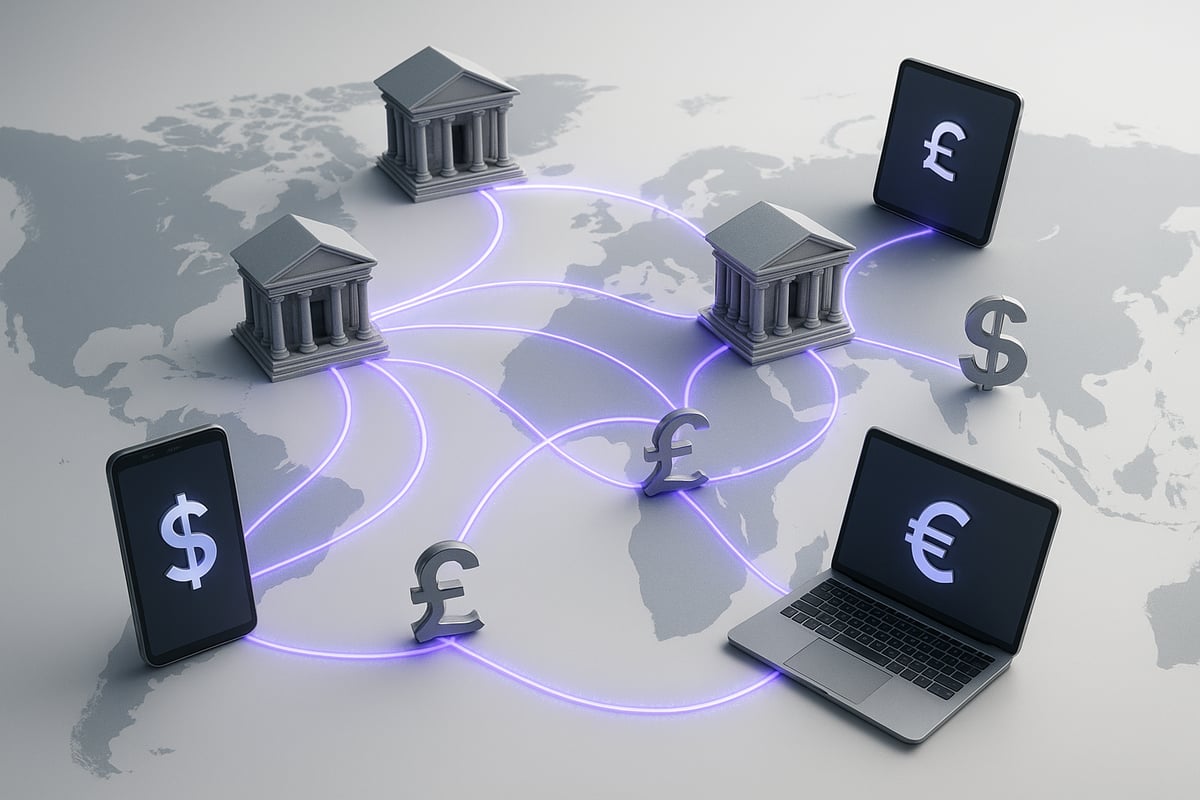
The cross border transactions meaning refers to any financial operation where the sender and recipient are based in different countries. Whether it’s a company paying an overseas supplier, a freelancer receiving payment from a foreign client, or a person sending money back home, these transfers are everywhere.
There are several main types:
- B2B (Business to Business): Company to company payments across borders.
- B2C (Business to Consumer): Global sales and merchant payouts to customers.
- C2C (Consumer to Consumer): Personal remittances or peer-to-peer transfers.
- Remittances: Migrant workers sending income to families abroad.
Key parties involved in cross border transactions meaning include the sender, recipient, their respective banks, payment processors, and often intermediaries like correspondent banks. Unlike domestic payments, these transfers must navigate multiple financial systems, currencies, and regulations.
| Feature | Domestic Payment | Cross Border Transaction |
|---|---|---|
| Jurisdiction | One country | Multiple countries |
| Currencies | Typically one | Often involves currency exchange |
| Payment Rails | Local systems | SWIFT, SEPA, card networks, etc. |
| Complexity | Low | High |
Common payment rails include SWIFT for global bank transfers, SEPA for eurozone payments, as well as card networks, wire transfers, and digital wallets. These systems connect banks and processors worldwide, allowing funds to move quickly—though the process can still be complex.
In a digital-first economy, cross border transactions meaning extends beyond traditional banking. Fintechs and APIs now offer faster, more transparent solutions. For a deeper dive into the mechanics and evolving landscape, see Understanding cross border payments.
Why Businesses and Individuals Rely on Them
The need for cross border transactions meaning has exploded with the growth of international e-commerce, remote work, and global investments. Businesses rely on these payments for global payroll, supplier settlements, and expanding into new markets. Individuals use them to send remittances, pay for services, or receive international income.
Recent statistics highlight this surge. According to McKinsey, cross border payment flows are projected to reach $250 trillion by 2027, reflecting the sheer scale and importance of these transactions. The drivers include borderless online shopping, remote talent hiring, and increased global mobility.
Consider a small retailer based in the EU. By expanding into the US and Asia, they must manage multiple currencies, payment networks, and regulatory requirements. Cross border transactions meaning becomes central to their day-to-day operations, from paying overseas suppliers to collecting sales revenue in different markets.
Both businesses and individuals benefit from mastering these processes. With the right approach, they can unlock new opportunities, avoid costly mistakes, and participate fully in the global economy.
The Mechanics of a Cross Border Transaction
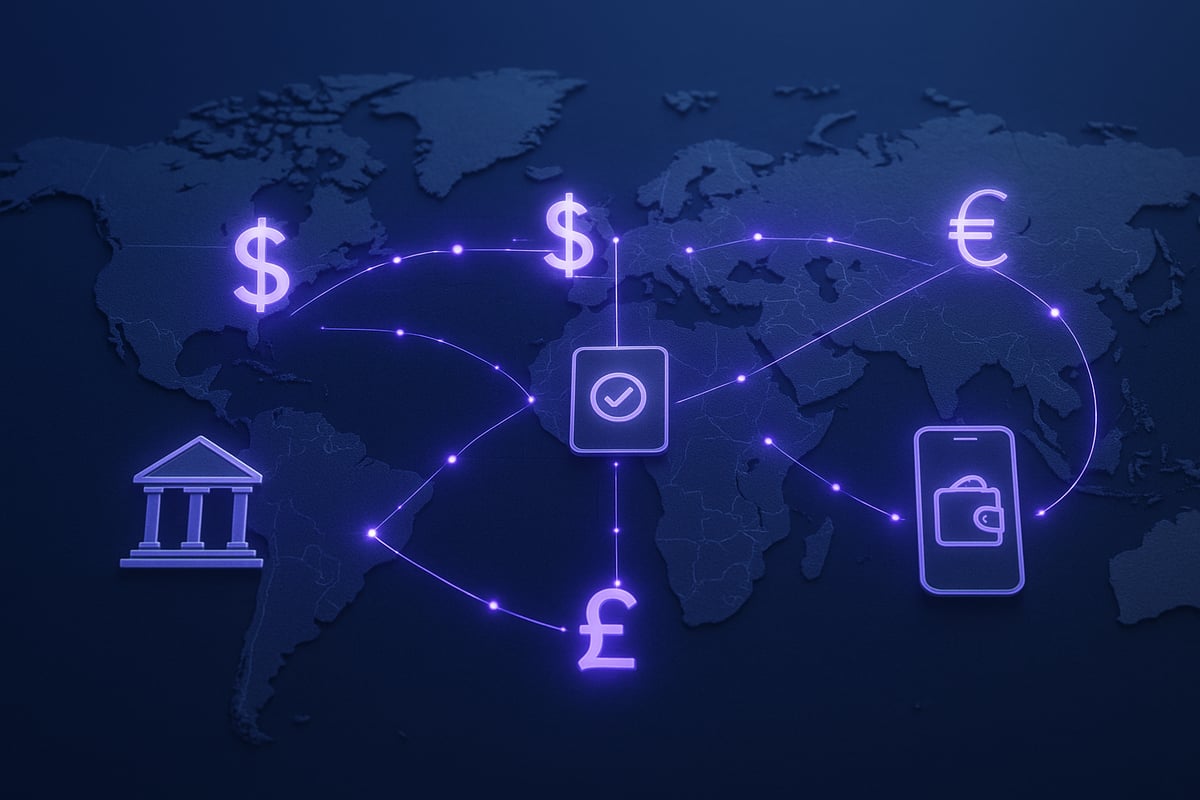
Understanding the mechanics of cross border transactions meaning is crucial for anyone entering the international payments space. Each step in the process can introduce its own complexities, risks, and opportunities for optimization. In this section, we break down the journey from initiation to settlement, explaining how funds move, where costs arise, and what businesses and individuals should anticipate.
Step 1: Initiation and Payment Methods
Every cross border transaction starts with an initiation step, which sets the foundation for the entire process. Senders may use online banking platforms, payment apps, or even physical point-of-sale terminals to launch their payment. The choice of payment method—bank transfer, credit card, e-wallet, or cryptocurrency—impacts speed, cost, and accessibility.
For payments within the EU, SEPA transfers are favored for their efficiency and low fees. For global payments, SWIFT is the dominant network, connecting thousands of banks worldwide. Payment rails like card networks (Visa, Mastercard) and digital wallets (PayPal, Wise) offer alternatives, each with their own pros and cons.
A growing number of businesses now leverage international money transfer software to automate complex payouts, streamline compliance, and integrate with accounting systems. This technology can be a game-changer for companies needing scalable solutions for recurring cross border transactions meaning.
- Bank transfers: Secure, widely accepted, can be slow.
- Credit/debit cards: Fast for small amounts, subject to limits.
- E-wallets: Convenient, often lower fees, not always universal.
- Cryptocurrency: Instant, borderless, but volatile and regulatory risks.
Choosing the right method depends on the urgency, destination, and recipient preferences.
Step 2: Currency Conversion and FX Rates
Once a cross border payment is initiated, currency conversion usually comes into play. If the sender and recipient use different currencies, the transaction must go through foreign exchange (FX). The rate applied can make a significant difference in how much the recipient actually receives.
FX rates are set using the mid-market rate as a baseline, but most banks and providers add a markup. Even small differences can add up, especially for large or frequent transfers. For example, sending €1,000 from Germany to the US may result in the recipient getting less than expected after conversion and fees.
Hidden costs often lurk in the fine print—some providers advertise low upfront fees but apply unfavorable FX rates or extra service charges. Understanding cross border transactions meaning in this context requires comparing total cost, not just visible fees.
| Payment Method | Typical FX Markup | Transparency | Speed |
|---|---|---|---|
| Bank Transfer | 1–4% | Low | 1–5 days |
| E-wallet | 0.5–2% | Medium | Instant–1 day |
| Crypto | Variable | High | Instant |
Always request a cost breakdown before sending funds.
Step 3: Intermediaries and Payment Networks
Money does not travel directly from sender to recipient in most cross border transactions. Instead, it passes through a network of intermediaries—correspondent banks, payment processors, and sometimes aggregators. Each intermediary can introduce fees, delays, or even compliance checks.
For example, a payment from a small business in Spain to a supplier in Singapore may route through two or three correspondent banks before reaching the destination. Each step involves clearing (verifying the transaction), settlement (transferring funds), and reconciliation (ensuring records match).
Recent innovations have begun to reshape this landscape. Blockchain-based transfers and real-time settlement platforms reduce the number of intermediaries, cutting both time and cost. However, traditional networks like SWIFT still dominate for most high-value transactions.
Understanding cross border transactions meaning means knowing who touches your money and how each step affects speed and transparency.
- Clearing: Verifies transaction details.
- Settlement: Moves the actual funds.
- Reconciliation: Ensures everything matches up.
Delays often occur if an intermediary flags the payment for review.
Step 4: Compliance and KYC/AML Checks
Compliance is a non-negotiable part of cross border transactions meaning. Regulatory bodies require payment providers to conduct Know Your Customer (KYC) and Anti-Money Laundering (AML) checks at various points in the process.
Senders and recipients may be asked to provide identification, proof of address, or business documentation. Incomplete or mismatched information is a common cause of delays. For example, if a beneficiary’s bank details are missing or do not match official records, the transaction can be suspended for verification.
Providers must also screen transactions against global sanctions lists and monitor for suspicious activity. Automated compliance tools are reducing manual labor, but exceptions still require human intervention.
- KYC: Confirms identity of sender and recipient.
- AML: Detects and prevents illicit activity.
- Sanctions screening: Blocks prohibited parties.
Staying organized with documentation is key to smooth cross border transactions meaning.
Step 5: Final Settlement and Notification
The final stage is where the recipient actually receives the funds. This can happen through a local bank deposit, e-wallet credit, or even a cash pickup location, depending on the provider and destination country.
Modern cross border transactions meaning often includes real-time notifications, allowing both sender and recipient to track the payment’s journey. Transparency has improved dramatically, with some providers offering status updates at each step.
There is a strong trend toward instant or near-instant settlement, especially within certain corridors and networks. However, in some regions, settlement can still take several days due to local banking practices or regulatory reviews.
Ensuring the recipient is notified quickly and accurately closes the loop, reducing uncertainty and building trust in international payment systems.
Regulatory Landscape in 2026: What’s Changing?
Navigating the regulatory landscape for cross border transactions meaning in 2026 requires more diligence than ever. With digital payments spanning continents, new rules are emerging to ensure transparency, security, and compliance for every player involved. Whether you’re a business scaling globally or an individual making international transfers, understanding these changes is essential to avoid costly missteps and unlock new opportunities.
Major Regulatory Bodies and Frameworks
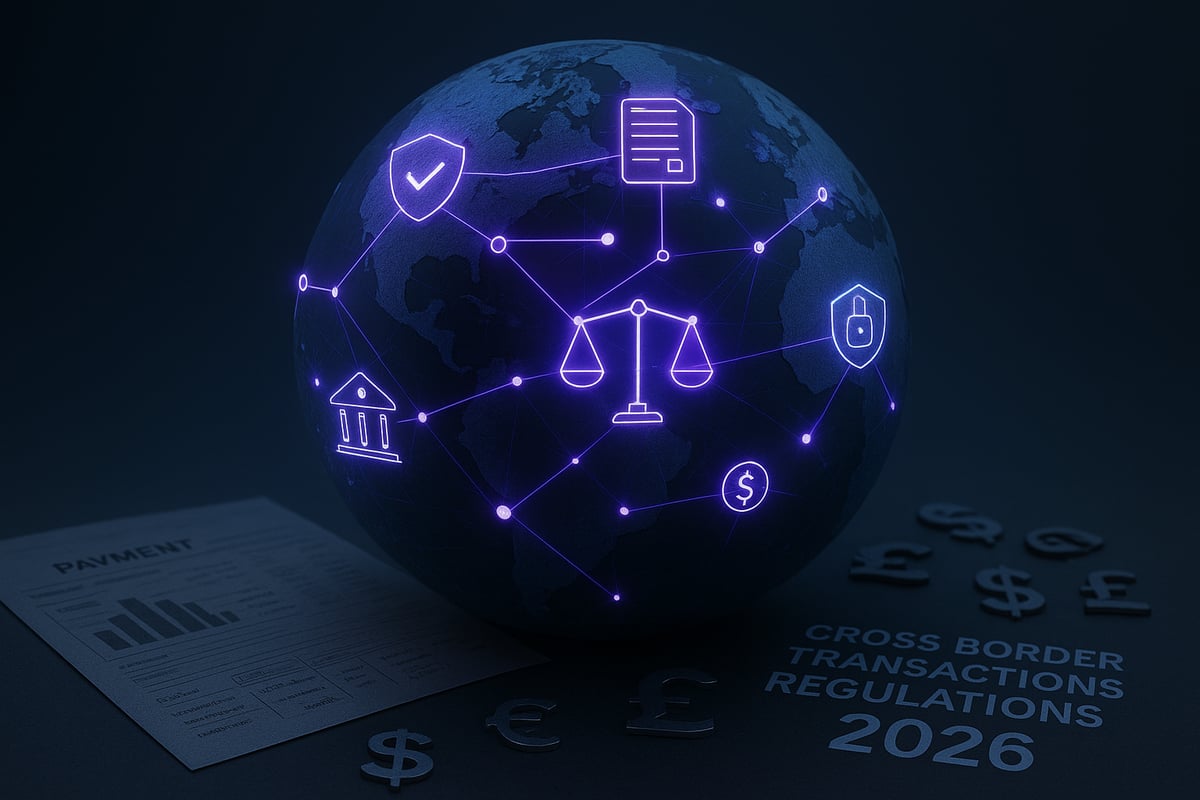
In 2026, the cross border transactions meaning is shaped by a patchwork of global and local regulators. Key authorities include the Financial Action Task Force (FATF), which sets international anti money laundering standards, the European Union with its Payment Services Directive 3 (PSD3), the US Financial Crimes Enforcement Network (FinCEN), and the G20, alongside hundreds of local regulators.
Each regulator brings its own expectations. For example, the FATF’s recent updates to Recommendation 16 on payment transparency now require even more detailed sender and recipient information, pushing banks and fintechs to strengthen data sharing and monitoring.
PSD3 introduces open banking mandates, forcing payment providers to offer APIs for secure data access and improved customer control. Meanwhile, FinCEN is tightening its oversight on digital assets and cross border flows, aiming to close loopholes exploited by bad actors.
The result is a regulatory environment where payment providers must juggle overlapping frameworks. Simply sending funds from the EU to Asia might trigger compliance checks from both ends, and even a minor misstep in documentation can cause delays or rejections. For businesses, this means investing in systems that can adapt to evolving standards and keep pace with cross border transactions meaning as it changes.
Key Changes Affecting Cross Border Transactions
The definition of cross border transactions meaning now includes far more than just the movement of money. Stricter Know Your Customer (KYC) and Anti Money Laundering (AML) requirements mean businesses face deeper identity verification checks, often using biometric or digital identity solutions.
Data localization is another major trend. Countries like China and Russia demand that payment data stays within their borders, forcing global companies to rethink infrastructure and compliance strategies. In the EU, privacy regulations require explicit consent and secure handling of customer information, adding complexity for firms operating internationally.
Licensing is also evolving. Non bank payment providers and fintechs must now obtain specific licenses to operate across borders, and regular audits are the norm. Sanctions and embargoes add an additional layer of risk, especially in regions affected by geopolitical tensions. For instance, new EU rules on Russian transactions require enhanced scrutiny and may block certain payment flows altogether.
These changes are not just theoretical. A small business in Germany sending payments to a supplier in India might now need to provide extra documentation, use a licensed payment partner, and verify that no sanctioned entities are involved. Staying compliant with cross border transactions meaning demands agility and constant attention to regulatory updates.
Opportunities and Risks for Businesses
Amid tightening rules, there are new opportunities for those who embrace the changing cross border transactions meaning. Streamlined compliance processes and digital onboarding can speed up access to new markets. Open banking standards enable faster, more transparent payments and let businesses track funds in real time.
However, risks remain significant. Higher compliance costs are a frequent concern, especially for small and medium enterprises. Transaction delays are common if documentation is incomplete or systems are not fully integrated. In fact, Deloitte reported in 2023 that 40 percent of businesses view regulatory complexity as their top challenge in cross border payments.
To stay ahead, companies should invest in compliance automation, regularly review regulatory updates, and work with licensed payment partners who specialize in international flows. Training staff, adopting robust APIs, and conducting quarterly reviews can minimize risks and ensure you are leveraging the full potential of cross border transactions meaning for your business in 2026.
Common Challenges and Hidden Costs
Navigating cross border transactions meaning comes with hurdles that often catch businesses and individuals off guard. Below, we break down the most frequent challenges and the hidden costs that can undermine your global payment strategy.

Transaction Fees and FX Markups
Understanding all the charges in cross border transactions meaning is crucial. Fees come in many forms: sending fees, receiving charges, intermediary costs, and currency conversion markups. For example, transferring $10,000 USD from France to India might seem straightforward, but intermediary banks can deduct additional amounts, and the FX rate applied often includes a hidden markup.
Here's a quick comparison:
| Fee Type | Typical Range | Hidden Risk |
|---|---|---|
| Sending Fee | $10–$50 | Not always disclosed upfront |
| Intermediary Fees | $20–$100 | Deductions mid-route |
| FX Markup | 1–3% | Above market rate |
According to recent cross-border payments industry statistics, global payment flows are expected to reach $250 trillion by 2027, making even small percentage fees significant at scale. Always compare providers and read the fine print to control total costs in cross border transactions meaning.
Payment Delays and Settlement Risks
Another frequent pain point in cross border transactions meaning is the unpredictability of settlement times. Payments can get delayed due to time zone differences, manual verification steps, or bank holidays in either country. Imagine initiating a supplier payment on Friday in Europe, only for it to be stuck until the following week due to an intermediary bank review.
Manual checks and legacy infrastructure can stretch what should be a one-day transfer into a five-day wait. These delays create cash flow uncertainty. Fortunately, new trends like real-time cross border payments are gaining ground, but legacy systems still cause friction for many.
Fraud, Security, and Compliance Risks
Fraud and compliance failures are ever-present risks in cross border transactions meaning. Common fraud schemes include phishing, business email compromise, and unauthorized account access. Criminals target international transfers because of the higher amounts and longer value chains.
Security protocols such as encryption and two-factor authentication are essential, yet compliance failures can lead to rejected payments or regulatory fines. In 2023, businesses lost $3.1 billion to cross border payment fraud, highlighting the stakes involved. Investing in robust security and proactive compliance checks is a must for anyone handling cross border transactions meaning.
Operational Complexity and Integration Issues
Managing cross border transactions meaning across multiple platforms, currencies, and reporting standards can overwhelm even seasoned finance teams. For instance, an SME might struggle to reconcile international sales with their local accounting software, leading to errors and missed opportunities.
Unified platforms and robust APIs can simplify the process, enabling automation and streamlined reconciliation. For a deeper look at how businesses can optimize their payout workflows, see global payout solutions explained. Leveraging these solutions helps reduce manual errors and keeps operations running smoothly in the fast-paced world of cross border transactions meaning.
Building Your 2026 Roadmap for Cross Border Transactions
Navigating cross border transactions meaning in 2026 requires a structured, proactive approach. With evolving regulations, new technologies, and shifting market demands, building a tailored roadmap is essential for both businesses and individuals. The following steps break down the process so you can optimize your international payment strategy, reduce risks, and unlock new growth opportunities.
Step 1: Assess Your Needs and Transaction Patterns
Start by analyzing your current and projected cross border transactions meaning. List the countries involved, typical payment amounts, frequency, and preferred currencies. For example, a SaaS company may need monthly payments to remote teams in multiple regions and currencies.
Ask yourself:
- Are your payments recurring or one-off?
- Which countries and currencies are most common?
- Do you prioritize speed or cost savings?
By understanding your cross border transactions meaning at this granular level, you can identify pain points and prioritize solutions that match your business model.
Step 2: Select the Right Payment Partners and Platforms
Not all providers offer the same capabilities or pricing for cross border transactions meaning. Compare options across banks, fintechs, and specialist platforms. Pay attention to integration features, transparency, compliance support, and the ease of direct bank transfers. For a detailed look into how direct bank transfers work, see this direct bank transfer process guide.
Key provider selection criteria:
- Transparent, competitive fees and FX rates
- Fast settlement times
- Robust compliance tools
- Seamless API integration
A side-by-side table can clarify your choices:
| Provider Type | Speed | FX Markup | Integration | Compliance Support |
|---|---|---|---|---|
| Traditional Bank | Medium | High | Basic | Strong |
| Fintech | High | Low | Advanced | Good |
| Specialist | High | Medium | Custom | Tailored |
Step 3: Optimize for Cost, Speed, and Compliance
Once you have partners in place, optimize your cross border transactions meaning by negotiating rates, automating compliance checks, and leveraging multi-currency accounts. Automation can minimize manual errors and speed up onboarding.
Example automation code snippet:
if payment.country not in approved_countries:
    raise Exception("Compliance check failed")
Negotiate:
- Lower FX spreads for high-volume payments
- Waived fees for recurring transfers
Automate:
- KYC/AML checks
- Reporting and reconciliation
Step 4: Integrate Technology for Automation and Tracking
Adopt platforms that provide real-time tracking, automated reconciliation, and flexible APIs. Integration with your enterprise systems ensures visibility and reduces operational friction in your cross border transactions meaning.
Benefits of API-driven platforms:
- Automated batch payouts
- Instant status updates
- Error reduction through validation
For example, a retailer can sync payment data directly with ERP systems, streamlining accounting and reducing manual intervention.
Step 5: Monitor Regulatory Updates and Emerging Trends
Stay ahead by monitoring global payment regulations and innovations. In 2026, new rules and technologies will reshape the landscape for cross border transactions meaning. Open banking, digital identity, and stricter data privacy requirements will impact how you operate. For an in-depth look at future trends, see top themes for the payments sector in 2026.
Tips to stay compliant:
- Subscribe to regulatory alerts
- Partner with licensed providers
- Regularly review internal processes
Step 6: Educate Teams and Stakeholders
Ensure your finance, operations, and leadership teams understand the nuances of cross border transactions meaning. Provide training on fraud prevention, compliance updates, and best practices. Annual workshops or webinars can keep everyone informed about regulatory changes and evolving risks.
Create quick-reference guides for:
- Payment approval workflows
- KYC/AML documentation
- Fraud red flags
Empowered teams lead to fewer mistakes and faster resolutions.
Step 7: Review and Iterate Regularly
Schedule quarterly or biannual reviews of your cross border transactions meaning. Analyze transaction data to uncover bottlenecks, cost-saving opportunities, and provider performance. Gather feedback from internal teams and recipients.
Iterate by:
- Switching providers if service levels drop
- Updating workflows for new regulations
- Testing new technologies as they emerge
A proactive approach ensures your roadmap adapts to the changing landscape and keeps your cross border transactions meaning efficient and resilient.
Now that you have a clear understanding of what cross border transactions really mean and how they’ll shape your business strategy in 2026, it’s time to put your knowledge into action. Whether you’re a merchant looking to expand globally or a professional managing diverse payment flows, having a secure and seamless solution can make all the difference. If you want to explore how Payoro’s innovative platform can help streamline your international payments and support your global growth, let’s connect.
Contact sales
Share article on


