
The death of traditional banking UX
When Elon Musk said X Money would enter early public access in April 2026, most people saw another headline about the super app race. Reuters reported it as the next step in X’s push to become an everything app, following its payments partnership with Visa. (Reuters)
But that is not the most interesting part.
The real story is bigger than X. Banking is no longer trying to win by bringing users back into bank apps. It is starting to disappear into the apps people already use. The bank is becoming the invisible layer behind the platform.
That shift has been building for years. X is just making it easier to see. Reuters reported that the Visa partnership behind X Money is meant to support wallet funding, peer to peer transfers, and instant transfers to bank accounts, all inside the platform. That is not just a new product launch. It is a sign of where financial UX is heading. (Reuters)
For a long time, banking UX was built around one simple idea. If users wanted to move money, they should come to the bank. Open the app. Log in. Check the balance. Send the transfer. Review the card activity. The bank was the destination.
Now the destination is somewhere else.
You book a ride in Uber. You manage a store in Shopify. You sell through a marketplace. You receive earnings through a platform dashboard. In many of these flows, the financial action happens where the work already happens. The user does not feel the need to stop, leave, and open a separate bank app. Shopify even describes Shopify Balance as a financial account built directly into the store admin, where merchants can manage money where they run their business. (Shopify)
That is why users do not open bank apps like they used to.
It is not because money matters less. It is because the money layer is moving closer to the action. The payment sits inside the ride app. The payout sits inside the seller dashboard. The balance sits inside the commerce backend. Finance is no longer always a place you visit. More and more, it is a feature that appears exactly when needed.
This is the deeper point that often gets lost in the super app conversation. Super apps are only one version of the trend. The more important shift is that banking is being absorbed into software. Embedded finance is not simply making banking more digital. It is making banking less visible.
And once that happens, traditional banking UX starts to lose relevance.
A beautiful bank app is still a nice thing to have. But it matters less when the user no longer wants a separate financial destination in the first place. The real competition is no longer only about who has the cleanest dashboard or the smoothest onboarding screen. It is about who owns the moment when money needs to move.
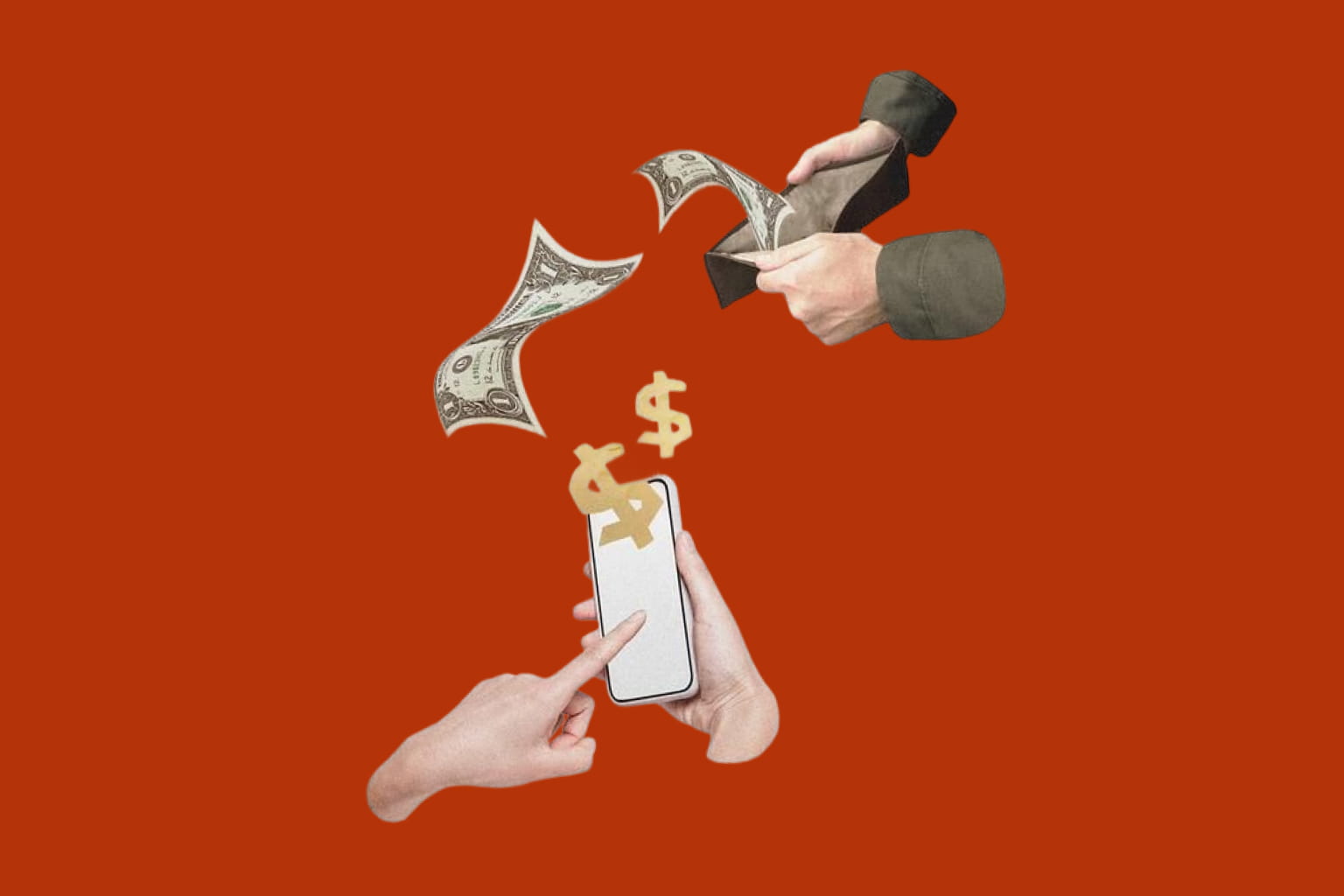
That moment now belongs more and more to platforms.
X wants to own that moment inside social media. Shopify owns it inside commerce. Marketplaces own it inside seller operations. Payroll platforms own it inside work. Creator platforms own it inside monetization. In each case, banking becomes part of the software experience instead of standing alone as its own product.
You can see the same trend outside the super app narrative too. In Brazil, Reuters reported in February 2026 that Pix is on track to capture half of the country’s ecommerce transactions by 2028. Pix has already surpassed card transactions in volume and has brought more than 70 million Brazilians into the financial system. That matters because it shows how fast user behavior can change when payments become faster, cheaper, and more native to digital life. (Reuters)
This is what the death of traditional banking UX really looks like.
Not a dramatic collapse. Not a world without banks. Not one giant app swallowing everything overnight.
It looks more subtle than that.
The bank still exists. The compliance layer still exists. Accounts still exist. Settlement still exists. But the user relationship starts moving elsewhere. The platform keeps the attention. The software owns the flow. The financial layer becomes quiet infrastructure in the background.
That changes what good banking design means.
For years, many teams treated engagement as the goal. More sessions, more app opens, more time spent inside the banking experience. But in the next phase of finance, success may look like the opposite. The best experience is often the one that feels almost invisible. The user gets paid without friction. The payout arrives without confusion. The transfer happens without delay. There is no reason to think about the bank at all.
That is where this trend starts to matter for fintech infrastructure companies too. If the future is not more standalone bank app usage, then the real value shifts toward the rails that let platforms offer financial services inside their own products. The winners may not be the brands that shout the loudest about being a bank. They may be the companies that make banking disappear most smoothly into software.
X Money makes this trend easy to talk about because it is public, high profile, and tied to Musk’s everything app vision. Reuters has made clear that this is exactly how X sees the opportunity. But the real editorial point is not that every company will become X. It is that more companies will try to own financial moments inside their own interfaces, without sending users somewhere else. (Reuters)
So yes, super apps matter.
But they are only the surface story.
The bigger shift is quieter, deeper, and probably more important. Banking is no longer always something users go to. More and more, it is something software does for them in the background.
That may be the real end of traditional banking UX. Not because finance disappears, but because it becomes too embedded to stand alone.
Share article on


Related articles
See all articles 
The moment prediction markets stopped feeling niche
Picture this. It is election night in November 2024. The old ritual is still there. TV anchors...


Bitcoin at $1 million is not a far fetched idea
A few years ago, saying Bitcoin could reach $1 million sounded like the kind of thing you...
The challenge of Cross Border payouts in a divided world
A few years ago, many payout teams worked from one simple idea. Build one global flow, connect...

How Super Apps could finally arrive in the West
For years, the super app looked like one of those ideas that belonged somewhere else. In China,...