
Embedding Payments Guide: Your 2026 Success Roadmap

Picture your business in 2026, where embedding payments has become second nature for customers and your team alike. Imagine every transaction flowing smoothly, boosting growth and deepening customer loyalty.
This guide will demystify embedding payments, giving you a practical, step-by-step roadmap to implement and scale payment solutions for the future. You’ll discover key concepts, real-world benefits for different industries, proven integration strategies, compliance essentials, and the latest technology trends.
If you’re ready for a competitive edge and want to turn payments into a growth engine, you’re in the right place. Let’s break down how to get started and set your business up for success.
Understanding Embedded Payments: Concepts, Trends, and Market Forces
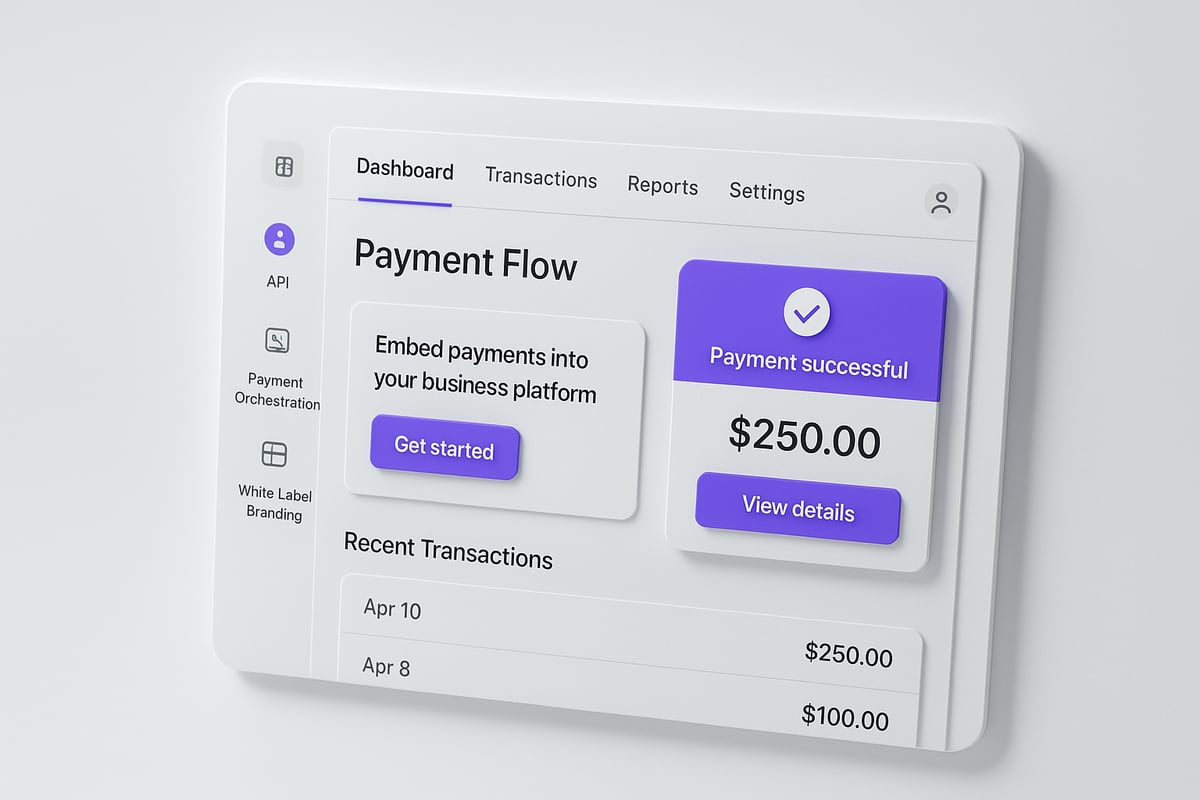
Embedded payments are transforming the way businesses handle transactions. Unlike traditional payment processing, where customers are redirected to external gateways, embedding payments means customers complete purchases directly within your platform. Think about booking a ride in an app or buying products in an online marketplace — payment happens quietly in the background, creating a seamless experience.
The magic lies in the technology. APIs, which are sets of rules enabling software to communicate, make embedding payments possible. Payment orchestration tools help route transactions efficiently, while white-label solutions allow businesses to offer payments under their own brand. This approach removes friction and keeps users engaged.
What Are Embedded Payments?
Embedding payments is about making transactions invisible yet efficient. For example, when you order food through a delivery app, payment is processed automatically without extra steps. This differs from older systems, where users were taken to third-party sites to pay, often causing drop-offs.
Key components include APIs, which connect your platform to payment providers, payment orchestration for managing multiple methods, and white-label solutions that let you customize the payment experience. These technologies work together to deliver convenience and brand consistency.
Embedding payments is not just a technical choice; it is a strategic move for companies aiming to control the customer journey.
The 2026 Landscape: Market Growth and Industry Adoption
By 2026, embedding payments is expected to be a dominant force in global commerce. According to Embedded finance market size and adoption, the embedded finance sector is projected to surpass $138 billion worldwide. Sectors like retail, SaaS, B2B platforms, and digital marketplaces are leading the charge.
Consumer expectations are driving this shift. People now demand the ability to pay instantly, without leaving the app or site they trust. Businesses adopting embedding payments are not just meeting these demands, but also unlocking new revenue streams and staying competitive.
This rapid adoption highlights the urgency for businesses to adapt and innovate.
Key Benefits for Businesses and Customers
The benefits of embedding payments reach both businesses and their customers. Frictionless checkout leads to higher customer retention and loyalty. Companies can also create new revenue streams through value-added services, like loyalty rewards or financing options.
Operations become more efficient, with fewer manual steps and reduced costs. For example, Shopify’s embedded payments have enabled merchants to boost sales while simplifying the transaction process.
Embedding payments also supports real-time analytics, helping businesses optimize every customer touchpoint and drive growth.
Challenges and Considerations
Despite the promise, embedding payments comes with challenges. Regulatory complexity is a major concern, as businesses must comply with evolving rules across regions. Security is paramount, requiring investment in fraud prevention and data protection.
Balancing user experience with risk management is crucial. Too many security steps can frustrate customers, but too few increase risk. Integrating with legacy systems adds further complexity and can lead to technical debt.
Companies considering embedding payments must plan carefully, addressing compliance, security, and integration from day one.
Building Your Embedded Payments Strategy: Step-by-Step Roadmap
A successful embedding payments strategy requires careful planning and execution. By breaking down the journey into clear, actionable steps, businesses can avoid costly missteps and maximize the value of embedded payment solutions. This roadmap offers a practical guide for leaders aiming to future-proof their payment flows and create standout experiences by 2026.
Step 1: Assess Your Business Needs and Payment Flows
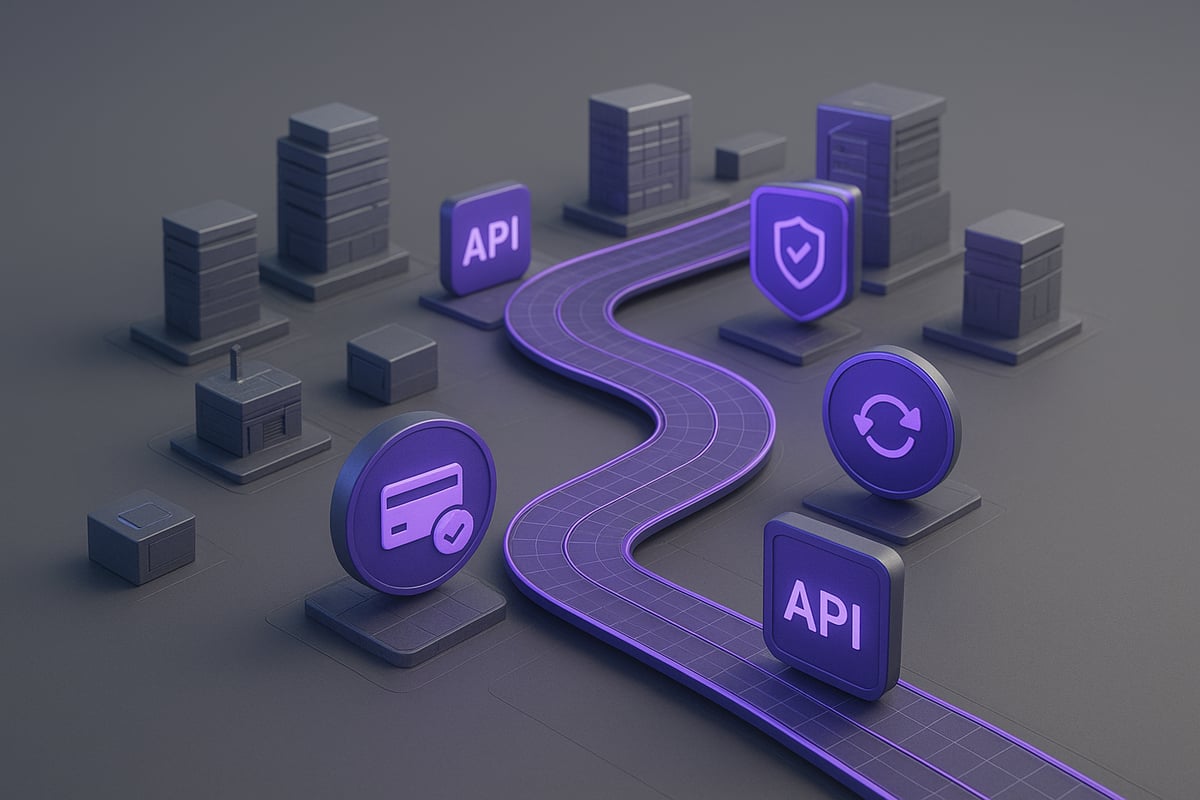
Start your embedding payments journey by mapping every stage of your current payment process. Identify where friction, delays, or drop-offs occur. Are customers abandoning carts at checkout, or do payouts to suppliers take too long?
Next, gather data on customer preferences, such as preferred payment methods or devices. Industry-specific needs matter too, for example, instant payouts may be critical in gig or marketplace models. Use analytics to reveal hidden bottlenecks and inform priorities.
A thorough assessment ensures that embedding payments aligns with both business goals and customer expectations, setting a strong foundation for future integration.
Step 2: Choose the Right Embedded Payments Model
There are several models for embedding payments, each with its own advantages. Direct integration offers the most control but requires significant resources. Third-party platforms provide speed and ready compliance, often at the expense of customization.
White-label solutions let you brand the payment experience while outsourcing complexity. Consider how each model fits your scale, technical capabilities, and risk appetite.
For example, SaaS platforms often choose white-label options for flexibility, while marketplaces may benefit from direct bank transfer integration. Evaluate these models side by side to find the optimal path for embedding payments in your business.
Step 3: Vetting and Selecting Technology Partners
Choosing the right partner is vital when embedding payments. Look for robust APIs, proven security, and strong compliance credentials. A good partner should offer a sandbox for safe testing, letting your developers experiment before going live.
Use a checklist: Is the platform PCI DSS compliant? Does it support the currencies and regions you need? What does their support and SLAs look like? Ask for references and review case studies.
A rigorous evaluation process reduces the risk of costly integration issues and ensures your embedding payments solution will scale as you grow.
Step 4: Integration and Implementation Planning
Plan your rollout with care. A phased launch allows you to test embedding payments with a limited audience, gather feedback, and iron out issues before a full release. Alternatively, a big-bang launch can accelerate time-to-market but increases risk.
Prepare your backend systems by reviewing dependencies and training staff on new workflows. Communicate openly with customers about upcoming changes to minimize confusion.
For more on best practices and compliance in integration, see Embedded payments integration strategies compliance considerations. Thoughtful planning ensures embedding payments goes smoothly and supports long-term growth.
Step 5: Compliance, Security, and Risk Management
Embedding payments brings regulatory responsibilities. Familiarize yourself with PSD2, GDPR, and local laws governing payments and data. Build KYC (Know Your Customer) and AML (Anti-Money Laundering) checks into your flows.
Implement multi-factor authentication, tokenization, and fraud monitoring to protect both your business and users. Regularly audit your systems for vulnerabilities.
Balancing seamless user experiences with strong risk controls is crucial for any embedding payments project. Compliance is not a one-time task but a continuous process as regulations evolve.
Step 6: Measuring Success and Continuous Optimization
Define key performance indicators (KPIs) such as conversion rates, payment success rates, and customer satisfaction. Use real-time analytics dashboards to monitor these metrics and identify trends.
Continuous improvement is key: optimize based on data, not assumptions. For instance, a subscription platform might find that embedding payments directly into onboarding increases retention.
By consistently measuring results and iterating, you ensure embedding payments delivers lasting value and keeps you ahead of market expectations.
Real-World Applications: Industry Use Cases and Success Stories
Across industries, embedding payments is transforming the way businesses interact with customers, grow revenue, and streamline operations. From seamless online checkouts to instant payouts for freelancers, the impact is visible in everyday transactions. Let’s explore how embedding payments is shaping success in key sectors.
Retail and eCommerce
Retail and eCommerce have seen some of the most dramatic benefits from embedding payments. By removing friction from checkout, businesses achieve higher conversion rates and increased average order values. Imagine a shopper browsing an online fashion retailer, adding items to their cart, and completing the purchase in seconds with a one-click embedded payment.
- Cart abandonment rates drop when customers face fewer obstacles.
- Upselling and cross-selling are easier with integrated wallet options.
- Real-time payment confirmation enhances trust and loyalty.
A well-known clothing brand reports a 15% reduction in cart abandonment after adopting embedding payments for their online store. Their customers appreciate the speed and security, which keeps them coming back.
SaaS Platforms and Marketplaces
For SaaS and marketplace businesses, embedding payments unlocks new ways to monetize and add value. These platforms can offer in-app payment flows, split payments between multiple parties, and automate complex billing cycles.
- Service providers receive instant payouts.
- Subscription management is simplified for end users.
- Platforms gain insights from payment data to refine offerings.
A B2B SaaS company recently integrated embedded payments for its service providers, enabling direct payouts after each completed job. This not only improved provider satisfaction but also gave the company a competitive edge in attracting new partners. For more on this topic, see embedded payments in SaaS platforms.
Gig Economy and On-Demand Services
The gig economy thrives on flexibility, and embedding payments delivers just that. Workers expect fast, reliable access to their earnings, and platforms that offer instant payouts stand out in a crowded market.
- 67% of gig workers prefer platforms with instant embedded payments.
- Flexible payment options attract and retain top talent.
- Transparency in earnings builds trust with freelancers.
For example, a delivery platform saw a surge in driver sign-ups after introducing daily instant payouts using embedding payments. This shift not only improved worker satisfaction but also reduced churn, ensuring better service for end customers.
Cross-Border and Multi-Currency Transactions
Embedding payments is a game-changer for businesses serving international customers. Handling multiple currencies, local payment methods, and regulatory requirements can be daunting, but modern embedded solutions simplify this process.
- Real-time FX conversions reduce settlement delays.
- Localized payment options boost global sales.
- Automated compliance checks minimize regulatory risk.
Many global marketplaces now rely on Cross-Border Payment Solutions to power seamless international transactions. Embedding payments in this context allows businesses to reach new markets without worrying about the complexity of cross-border finance.
Payoro: Embedded Payments for Modern Merchants
Payoro stands out for merchants looking for real-time, secure, and multi-currency payment solutions. Their API-first approach allows for seamless integration of both fiat and crypto transactions, catering to modern consumer preferences.
- Instant payouts support a variety of use cases, from eCommerce to digital platforms.
- Embedded payments with Payoro ensure top-tier security and compliance.
- Merchants benefit from 24/7 support and transparent, borderless payment flows.
A recent merchant case study highlights how Payoro’s embedding payments enabled instant cross-border settlements, reduced operational overhead, and delighted customers with fast, reliable transactions.
Navigating Compliance and Regulatory Complexities
Staying ahead in embedding payments means navigating a shifting regulatory landscape. As payment technology evolves, so do the rules that govern it. For businesses aiming to expand or optimize their payment flows, understanding compliance is not just a box to tick. It is a foundation for trust, resilience, and sustainable growth. Let us break down the key compliance challenges and how to address them, step by step.
Evolving Regulatory Landscape in 2026
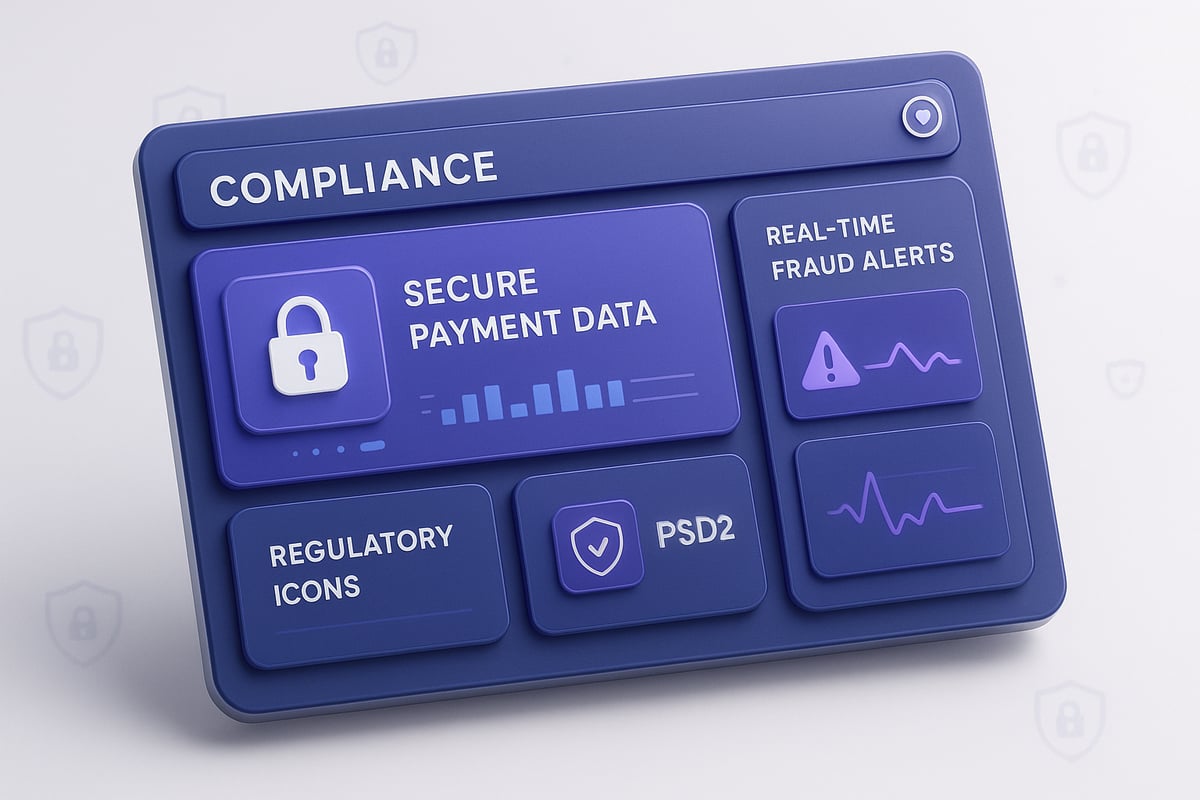
By 2026, embedding payments will be shaped by both global and regional regulations. The EU continues to lead with directives like PSD2, which enforces strong customer authentication and open banking standards. AMLD6 pushes anti-money laundering requirements further, while other regions adopt similar frameworks. These evolving laws impact how businesses design payment journeys, requiring careful mapping of data flows and customer verification.
Open Banking initiatives are expanding worldwide, creating new opportunities for embedding payments but also increasing compliance complexity. Businesses must monitor regulatory updates closely, as changes can affect everything from API protocols to user consent mechanisms. Proactive adaptation is essential to stay compliant and competitive.
Data Security, Privacy, and Consumer Protection
Protecting sensitive payment data is at the heart of embedding payments. GDPR sets a high bar for data minimization and user rights across Europe. Encryption and tokenization are now standard, ensuring customer data is unreadable even if intercepted. Consumer trust hinges on visible security measures, such as secure checkouts and transparent privacy notices.
Automation, when combined with strong security practices, can further reduce risk. For example, Automated Billing and Payments solutions streamline compliance by minimizing manual errors and securely handling recurring transactions. In 2026, businesses that prioritize privacy not only meet legal obligations but also gain a competitive edge by fostering loyalty.
Licensing, Partnerships, and Banking-as-a-Service (BaaS)
Choosing the right approach to licensing is crucial for embedding payments. Some companies opt for direct licensing, taking on regulatory responsibility themselves. Others partner with licensed providers or leverage BaaS platforms to accelerate compliance and market entry. BaaS enables businesses to offer regulated payment services without the overhead of becoming a financial institution.
Vendor selection must be rigorous, with checks on regulatory coverage, support, and integration capabilities. For instance, platforms exploring Direct Bank Transfer Integration should ensure their partners are fully licensed and compliant in every jurisdiction served. Strategic partnerships can streamline compliance, but oversight remains essential.
Managing Fraud and Operational Risk
Fraud prevention is a top priority for embedding payments, as seamless experiences must not compromise security. Advanced AI-driven monitoring tools detect suspicious patterns in real time, reducing false positives and blocking threats early. Multi-factor authentication and dynamic risk scoring further strengthen defenses.
Operational risk management involves continuous auditing, incident response planning, and regular staff training. Embedding payments providers often report lower fraud rates compared to traditional channels, thanks to integrated controls and real-time analytics. Balancing frictionless user experience with robust risk management is key to building long-term trust and minimizing losses.
Future-Proofing Your Embedded Payments: Technology, Innovation, and Scalability
To keep your business competitive by 2026, embedding payments must be more than a one-time project. It is a journey of continuous adaptation, leveraging new technologies, and scaling with market needs. This section explores the essential strategies and innovations that will help future-proof your payment systems, ensuring resilience, flexibility, and growth in a rapidly evolving landscape.
Embracing API-First and Modular Architectures
API-first design is at the heart of embedding payments for tomorrow’s businesses. An API (Application Programming Interface) enables different systems to communicate and share payment data securely. With a modular architecture, you can add or upgrade payment features without major disruptions.
For example, a SaaS platform can quickly integrate new payment methods or loyalty modules by simply plugging in additional APIs, rather than rebuilding its entire infrastructure. This flexibility empowers rapid iteration, easy compliance updates, and tailored experiences for different markets.
Embedding payments using modular APIs lets businesses innovate at their own pace. It also reduces vendor lock-in, giving you more control and options as technology evolves. In 2026, companies that adopt API-first strategies will be able to launch new offerings faster and adapt to shifting customer expectations.
Leveraging AI, Machine Learning, and Automation
Artificial intelligence (AI) and machine learning (ML) are transforming how companies manage embedding payments. AI-driven fraud detection can analyze thousands of transactions per second, identifying patterns that signal risk and blocking suspicious activity in real time.
Automation also streamlines compliance, reconciliation, and reporting. For instance, smart workflows can flag anomalies, trigger alerts, or even auto-resolve minor disputes, freeing up your team for higher-value work.
Embedding payments with AI means you can personalize checkout experiences, suggest payment options, and anticipate customer needs. As these technologies mature, businesses will see reduced operational costs and improved customer satisfaction. Staying ahead with AI and ML will be crucial to maintaining a secure, seamless payment environment.
Crypto and Digital Currencies in Embedded Payments
By 2026, crypto and digital currencies are expected to be standard components in embedding payments. Businesses are responding to consumer demand for alternatives to traditional fiat currencies, especially for cross-border transactions and instant payouts.
Supporting cryptocurrencies within your payment stack requires robust security, education for both staff and users, and clear policies for handling volatility. Tokenization and wallet integration are key technical considerations.
Embedding payments with crypto can open new markets and appeal to younger, tech-savvy audiences. However, it is vital to monitor regulatory developments and ensure full compliance with local laws. As digital assets become more mainstream, offering crypto payment options could be a significant differentiator for forward-looking businesses.
Scalability and Global Expansion Considerations
Scalability is a non-negotiable for embedding payments in a global economy. As your transaction volume grows, your infrastructure must handle increased loads without sacrificing speed or reliability. This includes scaling databases, payment gateways, and support systems.
Expanding internationally brings further challenges, such as supporting multiple currencies, languages, and compliance requirements. Solutions like International Money Transfer Software can simplify cross-border payments by automating FX handling and ensuring regulatory alignment.
Embedding payments at scale means building for redundancy, failover, and real-time monitoring. Planning for global growth from the outset saves time and reduces friction as you enter new markets. The right architecture will allow you to localize payment experiences, meeting both customer and regulatory expectations worldwide.
Preparing for Emerging Trends and Customer Expectations
The embedding payments landscape is evolving rapidly, with new trends shaping how businesses and consumers interact. Beyond payments, embedded finance now includes lending, insurance, and loyalty rewards—often delivered through seamless APIs.
Consumer expectations are rising, with demand for instant, invisible payments and unified financial experiences. According to Embedded payments market growth statistics 2026, the market is projected to surge, driven by innovation and customer-centric solutions.
To stay ahead, businesses must foster a culture of continuous learning, monitor regulatory shifts, and remain agile. Embedding payments is not just about technology, it is a mindset—one that prioritizes adaptability, foresight, and relentless improvement.
As you look ahead to 2026 and imagine your business thriving with seamless embedded payments, remember that the right strategy and technology partner can make all the difference. We’ve explored how frictionless payments drive growth, customer loyalty, and operational efficiency—and how a platform like Payoro helps you stay ahead by integrating real-time, secure solutions across both fiat and crypto. If you’re ready to map out your next steps or want expert advice tailored to your business, let’s connect and discuss how you can turn this roadmap into real results.
Contact sales
Share article on


Related articles
See all articles Instant Payouts: Why Speed Matters for Platform Retention
Platforms offering instant payouts see 20-35% higher seller retention. Learn how instant payout rails work and how to...

What Is a Payout API and How Does It Work?
A payout API lets your platform send money to recipients automatically. Learn how the flow works, who needs...
What Are Payment Rails? A Guide to Faster, Smarter Payouts
Payment rails determine how fast and cheap your payouts arrive. Learn about SEPA, SWIFT, card networks, and blockchain...
How to Reduce Cross-Border Payout Costs for Your Business
Cross-border payouts drain margins through hidden fees, FX markups, and slow settlement. Learn practical strategies to cut costs...