
Embedded Finance Guide 2025: Your Roadmap to Success
Unlock growth with our embedded finance guide for 2025. Learn trends, benefits, integration steps, and compliance to drive success in the evolving market.
Published November 22, 2025 — 15 minutes read — Fintech Guides
Written by François Savard
Discover how embedded finance is transforming industries and unlocking new revenue streams as we move into 2025. Businesses and entrepreneurs are leveraging this powerful trend to deliver seamless financial experiences, driving both growth and customer satisfaction.
This guide offers a comprehensive roadmap, covering what embedded finance is, the latest market trends, key benefits, integration steps, regulatory considerations, and effective strategies for success in 2025. Ready to future-proof your business and stay ahead in the evolving financial landscape? Explore each section to position your company for lasting success.
Understanding Embedded Finance: Definition, Evolution, and Market Landscape
Embedded finance is transforming the way businesses and consumers interact with financial services. By integrating financial products directly into non-financial platforms, companies can offer seamless experiences that were once limited to traditional banks. This section explores the definition, evolution, market landscape, major players, and key opportunities shaping embedded finance in 2025.

What is Embedded Finance?
Embedded finance refers to the integration of financial services—such as payments, lending, or insurance—directly within non-financial platforms. Unlike traditional financial services, which require users to visit banks or separate apps, embedded finance brings these tools to the point of need. For example, ride-hailing apps now let users pay and receive funds in-app, while e-commerce platforms allow buy-now-pay-later options during checkout.
The key distinction here is that embedded finance is not about open banking or simply connecting to a bank account. Instead, it is about making financial services invisible and effortless, woven into the user journey. This approach increases convenience, reduces friction, and opens new ways for companies to serve their customers.
The Evolution of Embedded Finance
The journey of embedded finance began with banks controlling every aspect of financial products. Over time, technology companies started to reshape the landscape. The rise of APIs (Application Programming Interfaces) has enabled businesses to plug financial services into their platforms without building from scratch.
Digital transformation and the API economy have been major drivers. Consumers now expect fast, digital-first experiences. This expectation led to a surge in fintech partnerships and the growth of Banking-as-a-Service (BaaS) models. These models let brands offer financial products under their own name while relying on licensed providers behind the scenes.
As a result, embedded finance has become a powerful tool for both established businesses and startups to innovate rapidly and meet changing customer needs.
Market Growth and Trends for 2025
The embedded finance market is undergoing rapid expansion. By 2025, global market size is projected to exceed $230 billion, according to the Bain & Company Embedded Finance Brief. Leading sectors adopting embedded finance include retail, SaaS, marketplaces, the gig economy, and mobility platforms.
Notable examples are Shopify Capital, which offers merchant financing, Uber Money for driver payments, and Amazon Pay for integrated online purchases. Key trends include the rise of embedded payments, lending, insurance, and wealth management solutions. Businesses are leveraging these tools to offer flexible payment plans, instant payouts, and tailored financial products.
Key Players and Ecosystem
The embedded finance ecosystem brings together several critical roles. Brands embed financial features to enhance their offerings. Fintechs provide the underlying technology and compliance expertise. Banks deliver regulated infrastructure and hold customer funds. Technology providers build APIs and modular platforms that connect all participants.
Leading platforms in this space include Stripe, Adyen, Marqeta, and Solarisbank. APIs are central, allowing easy integration and scalability. This modular approach lets businesses select only the financial features they need, accelerating time-to-market and reducing complexity.
The success of embedded finance depends on collaboration among these players, each contributing to a seamless, secure, and compliant experience.
Benefits and Opportunities
Embedded finance offers significant advantages for both businesses and consumers. For companies, it enables the creation of new revenue streams by offering value-added financial products. Enhanced customer experience leads to greater loyalty, as services are delivered at the right time and place.
Additionally, embedded finance can improve access to essential financial services for underbanked or underserved segments. By meeting customers where they already are, businesses can bridge gaps and drive inclusion. The result is a more dynamic, customer-centric financial landscape that benefits all stakeholders.
The Business Case for Embedded Finance: Why It Matters in 2025
Value Proposition for Businesses
Adopting embedded finance allows businesses to create seamless financial experiences that keep customers engaged. By integrating payments, lending, or insurance directly into their platforms, companies reduce friction and increase convenience.
This approach supports new monetization models. Businesses can generate revenue through transaction fees, interest margins, and premium subscription services. Embedded finance also delivers valuable data insights, enabling personalized offers that boost conversion rates.
Consider these advantages:
- Strengthened customer loyalty through integrated solutions
- Extended product offerings without building financial infrastructure from scratch
- Enhanced agility to respond to market changes
With embedded finance, companies can outperform traditional models and innovate faster.
Customer Expectations and Behavior
Modern customers expect financial services to be fast, secure, and accessible within the platforms they use daily. Over 73 percent of consumers now prefer integrated financial experiences, highlighting the importance of embedded finance in meeting evolving demands.
Convenience is central. Instant payments, real-time credit approval, and in-app financial tools are now baseline expectations. For example, the rise of buy-now-pay-later options has helped merchants increase sales and average order values.
Businesses that deliver intuitive embedded finance solutions can capture greater market share. Customers reward effortless experiences with higher engagement and repeat business.
Competitive Advantage and Differentiation
Early adoption of embedded finance can set a business apart in crowded markets. Offering value-added financial services creates unique selling points and builds brand differentiation.
Embedded finance enables companies to:
- Launch innovative financial products ahead of competitors
- Attract new customer segments with tailored solutions
- Build stronger relationships through ongoing financial touchpoints
Real-world examples include platforms that offer instant payouts or flexible financing. These features foster loyalty, encourage repeat use, and strengthen the overall brand proposition.
Risk Mitigation and Compliance
Embedded finance also plays a critical role in managing risk and compliance. By leveraging fintech partnerships, businesses can share regulatory responsibilities and benefit from advanced fraud detection technologies.
Automated KYC and AML procedures help reduce the risk of fraud and ensure regulatory compliance. Secure data handling and transparent processes build customer trust and protect both the platform and its users.
Key benefits include:
- Streamlined onboarding with automated identity checks
- Enhanced transaction monitoring for suspicious activity
- Reduced exposure to financial crime
Revenue Impact and ROI
The financial impact of embedded finance is significant. According to market research, platforms integrating these solutions can see revenues grow by two to five times. For instance, Shopify provided $4.6 billion in merchant cash advances in 2023 alone, demonstrating the scale of opportunity.
For a deeper look at market trends and forecasts, see the Embedded Finance Market Size and Forecast, which highlights the sector’s rapid expansion.
| Metric | Impact Range |
|---|---|
| Revenue Growth | 2x – 5x |
| Merchant Advances (Shopify) | $4.6B (2023) |
Challenges and Considerations
Implementing embedded finance is not without challenges. Integration complexity, ongoing management, and regulatory requirements demand careful planning.
Key considerations:
- Balancing user experience with compliance obligations
- Ensuring seamless technology integration
- Maintaining ongoing security and risk monitoring
By addressing these areas proactively, businesses can maximize the value of embedded finance while minimizing potential risks.

Step-by-Step Roadmap: How to Successfully Implement Embedded Finance
Launching embedded finance solutions requires a strategic, phased approach. This roadmap guides you through each step, from initial assessment to optimization, helping you unlock new revenue streams and enhance customer experiences in 2025.

Step 1: Assess Business Needs and Opportunities
Begin your embedded finance journey by thoroughly understanding your business model and customer base. Identify where financial services can solve pain points or add value within your existing user experience.
- Map customer journeys to pinpoint financial touchpoints
- Survey customers to uncover unmet needs for payments, lending, or insurance
- Analyze competitors already leveraging embedded finance
This foundational step ensures you target the most impactful opportunities and maximize ROI when integrating embedded finance.
Step 2: Choose the Right Embedded Finance Model
Selecting the optimal model is crucial for long-term success. Embedded finance can take many forms, including payments, lending, insurance, or investment offerings.
- Assess which financial products align with your core business and user needs
- Decide between white-label solutions, direct API integration, or Banking-as-a-Service (BaaS) partnerships
- Evaluate time-to-market, scalability, and resource requirements for each model
By aligning your embedded finance strategy with your business goals, you set the stage for sustainable growth.
Step 3: Select Technology Partners and Platforms
Choosing the right partners is essential for secure, compliant, and scalable embedded finance implementation. Focus on providers with robust infrastructure and proven expertise.
| Criteria | Why It Matters | Example Providers |
|---|---|---|
| Security | Protects user data | Stripe, Marqeta, Railsr |
| Scalability | Supports future growth | Adyen, Solarisbank |
| Compliance | Meets regulatory standards | Marqeta, Stripe |
| Support | Eases integration | Railsr, Adyen |
Review API documentation, sandbox environments, and support channels. Select partners that align with your technical requirements and embedded finance vision.
Step 4: Integration and User Experience Design
Seamless integration is vital for user adoption. Your embedded finance features should feel like a natural extension of your platform.
- Embed financial tools within web, mobile, or app interfaces
- Prioritize frictionless onboarding and transparent fee structures
- Enable instant payouts and real-time transaction updates
For example, e-commerce platforms can boost conversion rates by integrating instant checkout and financing options. A strong user experience is central to embedded finance success.
Step 5: Compliance, Security, and Risk Management
Adhering to regulatory standards is non-negotiable in embedded finance. Establish comprehensive compliance and security frameworks from day one.
- Implement KYC, AML, GDPR, and PSD2 processes
- Use encryption, tokenization, and multi-factor authentication
- Build trust with transparent data handling and privacy policies
Ongoing monitoring and regular updates help you stay ahead of regulatory changes and security threats, ensuring your embedded finance offering remains resilient.
Step 6: Launch, Monitor, and Optimize
After integration, launch your embedded finance features to a select group of users for real-world feedback. Use data-driven approaches to refine your offering.
- Pilot features with early adopters and gather insights
- Measure KPIs: adoption rates, transaction volume, customer satisfaction
- Continuously iterate based on user feedback and performance metrics
Optimization is an ongoing process, allowing your embedded finance solution to evolve with market demands.
Seamless, Secure Money Transfers with Payoro
For businesses seeking streamlined cross-border payments, Payoro offers a powerful embedded finance solution. Through its API, companies can enable instant, real-time money transfers, supporting both fiat and crypto transactions. With EU-based security and compliance, merchants benefit from automated payouts and unified fund management.
To explore software solutions for cross-border payments and see embedded finance in action, visit the International money transfer software guide.
Payoro empowers businesses to scale their embedded finance offerings, delivering fast, secure, and customizable payment experiences.
Regulatory, Security, and Compliance Considerations in Embedded Finance
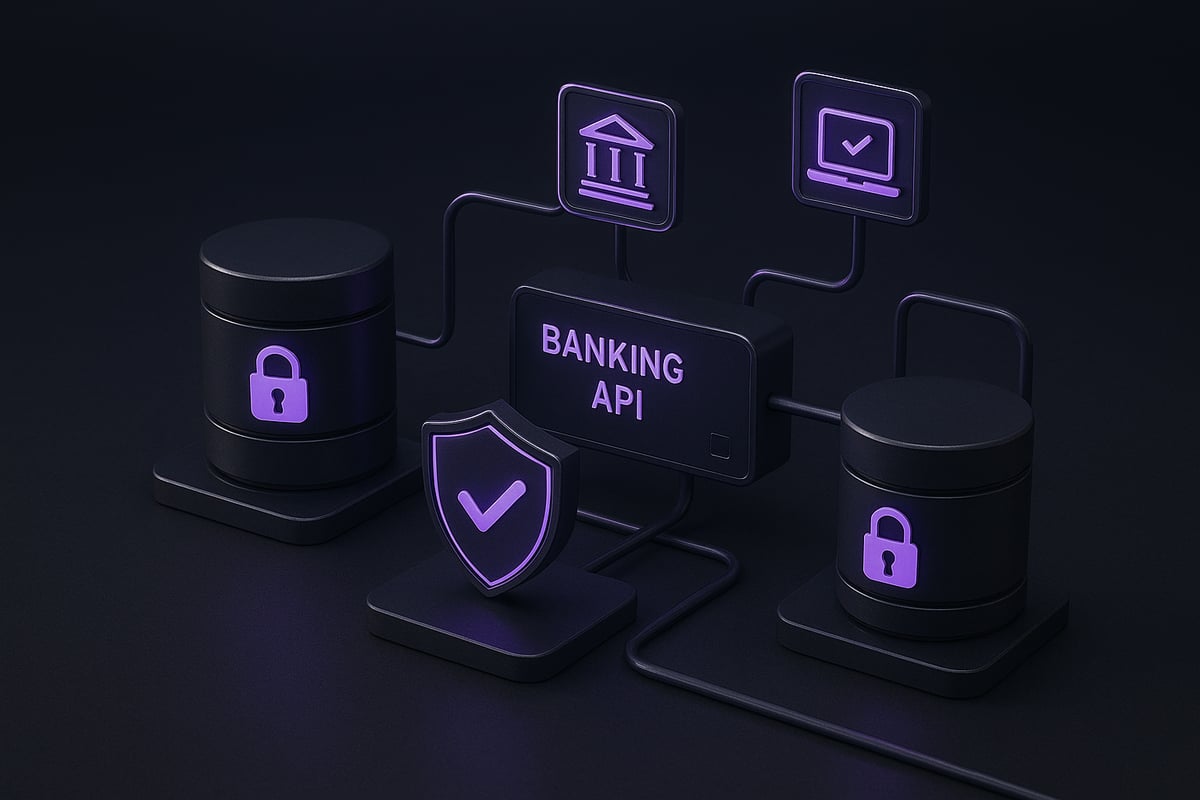
Navigating the regulatory, security, and compliance landscape is essential for any business implementing embedded finance. As these solutions become more prevalent, understanding the shifting legal environment and safeguarding customer data is critical for long-term success.
Navigating the Regulatory Landscape
Embedded finance operates across a patchwork of global regulations. Key frameworks include PSD2 for payment services in the EU, GDPR for data privacy, eIDAS for digital identity, and AMLD5 for anti-money laundering. Each region imposes distinct requirements, making cross-border compliance a complex task. Businesses must closely monitor evolving rules and maintain agile compliance teams to address new mandates.
A quick comparison of core regulations:
| Regulation | Focus | Region |
|---|---|---|
| PSD2 | Payment Services | EU |
| GDPR | Data Protection | EU, Global |
| eIDAS | Digital Identity | EU |
| AMLD5 | Anti-Money Laundering | EU |
Staying current with these frameworks is vital as embedded finance continues to expand internationally.
Security and Data Protection
Security is foundational to building trust with embedded finance users. Robust encryption, strong authentication, and proactive fraud prevention are non-negotiable. Tokenization and secure APIs help shield sensitive financial data from cyber threats. For those integrating direct payment capabilities, exploring direct bank transfer solutions can enhance transaction security and reduce exposure to fraud.
Businesses should regularly audit their systems, update protocols, and educate staff on emerging security risks.
Compliance Best Practices
To succeed in embedded finance, partnering with licensed providers is essential. This approach ensures access to regulatory expertise and reduces the risk of non-compliance. Ongoing due diligence, transparent user consent practices, and clear data privacy policies help maintain trust and regulatory alignment. Regular training and compliance checks further support a culture of accountability.
Documenting processes and maintaining audit trails can streamline regulatory reporting and readiness for inspections.
Risk Management Strategies
Risk management in embedded finance means monitoring for suspicious activity and adapting to new threats. Automated KYC and AML checks can detect anomalies in real-time, limiting fraud exposure. For instance, a SaaS platform integrating embedded finance can reduce manual review times and improve regulatory adherence with smart transaction monitoring.
Continuous improvement of risk controls and regular scenario testing prepare businesses for unexpected challenges.
Future Regulatory Trends
The regulatory landscape for embedded finance is evolving rapidly. Anticipated trends for 2025 include stricter rules on digital identity, open finance, and consumer protection. According to the Accenture Embedded Finance Report, new standards may reshape how businesses serve SMEs and individual users. Proactive adaptation and collaboration with regulators will be essential for sustainable growth.
Staying ahead of regulatory changes enables businesses to innovate confidently and scale embedded finance solutions globally.
Future Trends and Innovations in Embedded Finance for 2025 and Beyond
The future of embedded finance is marked by rapid innovation, industry expansion, and the adoption of transformative technologies. As we look ahead to 2025 and beyond, businesses must stay agile in order to harness new opportunities and address emerging challenges in the financial ecosystem.
Expansion into New Industries and Use Cases
Embedded finance is moving far beyond traditional sectors. In 2025, industries such as B2B services, payroll management, gig economy platforms, and supply chain networks are integrating financial services directly into their ecosystems.
For example, SaaS providers now offer built-in expense management, while logistics companies enable real-time payments for drivers and suppliers. This widespread adoption is supported by market research, including Future Market Insights on Embedded Finance, which highlights robust growth across diverse verticals.
The evolution of embedded finance is making it easier for businesses to unlock new value propositions and streamline financial operations.
Advances in Technology
Technological innovation is at the heart of embedded finance. Artificial intelligence and machine learning are transforming credit risk assessment, enabling instant, data-driven lending decisions.
Blockchain technology and smart contracts are making settlements faster and more transparent, minimizing manual intervention. These advances help platforms deliver real-time services, increase security, and reduce operational costs.
Developers are also leveraging robust APIs and modular architectures, making it simpler to integrate embedded finance features with minimal friction. This technological momentum will continue to shape the next generation of financial products.
Embedded Crypto and Digital Assets
The adoption of digital assets within embedded finance platforms is accelerating. More businesses are enabling crypto payments, offering integrated wallets, and supporting seamless conversions between fiat and cryptocurrencies.
Platforms are responding to growing consumer demand for flexibility and alternative payment options. For instance, embedded finance solutions now allow users to receive cross-border payments in both traditional and digital currencies.
This trend is opening up new markets and supporting global commerce, all while maintaining compliance and security.
Hyper-Personalization and User Experience
User experience is a key differentiator in embedded finance. Companies are leveraging data-driven insights to offer personalized financial products, such as tailored lending options or customized insurance.
Innovations like voice-enabled payments, biometric authentication, and invisible checkout flows are setting new standards for convenience. The Payoro SuperApp features demonstrate how multiple financial services can be unified into a single, intuitive interface, enhancing customer satisfaction.
Hyper-personalization not only improves engagement but also helps businesses build lasting relationships with their users.
Ecosystem Collaboration
Collaboration is fueling the growth of embedded finance. Open banking APIs are enabling seamless integrations between brands, fintechs, and banks.
This ecosystem approach allows for the co-creation of innovative products that address specific market needs. Strategic partnerships are making it possible for platforms to expand their offerings without taking on the full burden of compliance and infrastructure management.
By working together, industry leaders can accelerate the pace of innovation and respond quickly to changing consumer expectations.
Preparing for the Next Wave of Embedded Finance
To remain competitive, businesses must prioritize continuous innovation, scalability, and regulatory readiness. Agile product development and a strong feedback loop with customers will be essential.
Staying informed about emerging regulations and technological advancements ensures organizations can adapt quickly. As embedded finance continues to evolve, those prepared to embrace change will unlock new revenue streams and strengthen their market position.
According to Future Market Insights on Embedded Finance, the sector is set for sustained growth, making now the ideal time to invest in future-ready financial solutions.
As we’ve explored in this guide, embedded finance is opening up new possibilities for businesses to boost growth, streamline customer experiences, and stay ahead in the evolving financial landscape. If you’re ready to take the next step—whether that means integrating seamless money transfers, supporting both fiat and crypto transactions, or building a secure, API-driven platform—let’s connect and discuss how Payoro can help you achieve your goals. You don’t have to navigate this journey alone.
Contact sales
and let’s map out your roadmap to success together.
Share article on


Related articles
See all articles 
Cross Border QR Payment Guide: Your 2026 Success Blueprint
Unlock seamless global transactions with our cross border qr payment guide Learn strategies, compliance tips, and future trends...


The Essential Accounts Payable Workflow Guide for 2026
Master the accounts payable workflow in 2026 with this step by step guide covering automation compliance risk management...

The Expert Guide to AP and Payment Automation (2026)
Unlock the future of AP and payment automation with expert strategies, real world case studies, and actionable steps...

Automating Payments Guide: Streamline Your Finances in 2026
Automating payments in 2026 simplifies finances, reduces late fees, and boosts security. Discover expert strategies and tools to...