
How Super Apps could finally arrive in the West
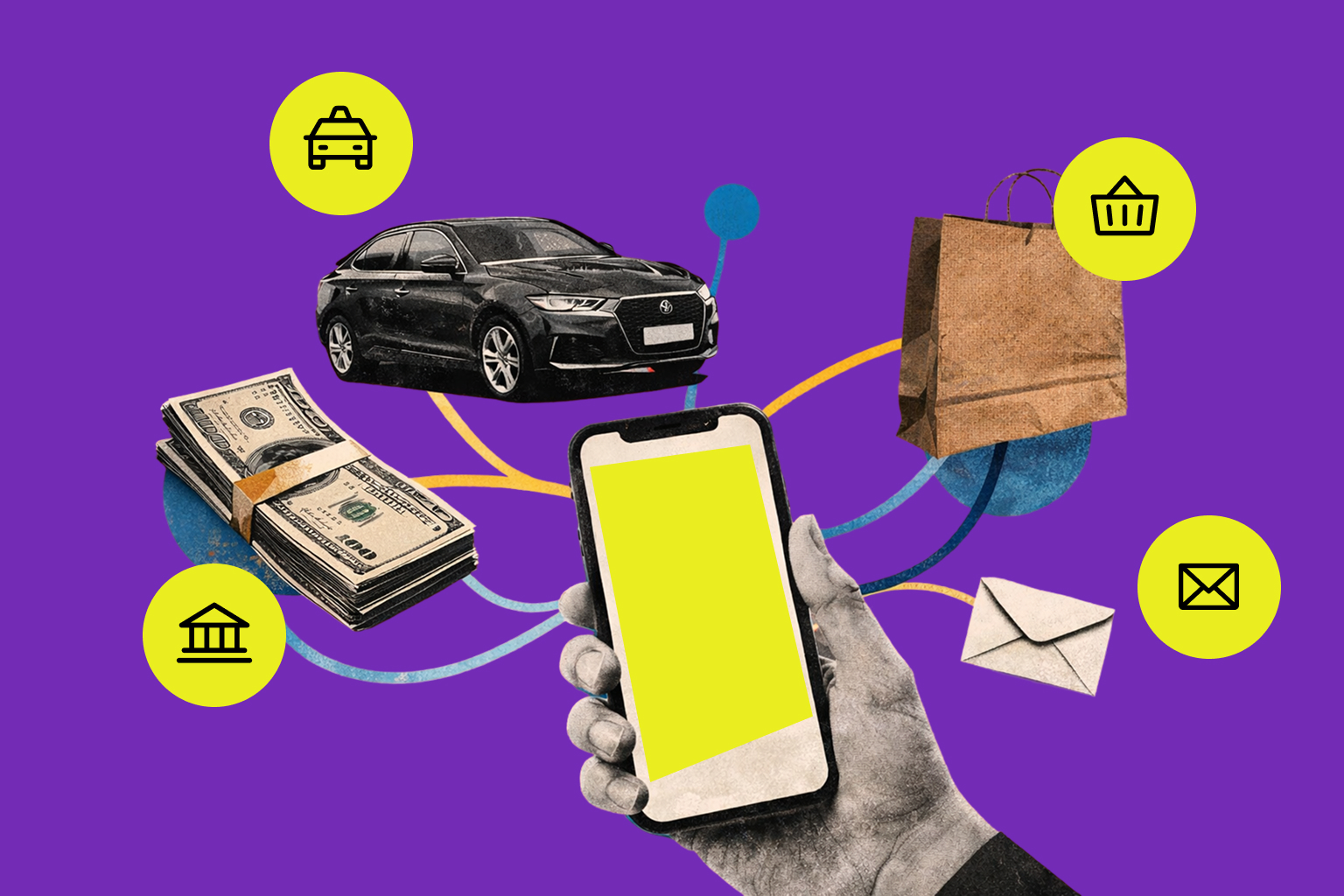
For years, the super app looked like one of those ideas that belonged somewhere else.
In China, WeChat became a familiar part of daily life by combining messaging, payments, services, and commerce inside one interface. In Southeast Asia, Grab followed a similar path, growing from ride hailing into a broader platform for food, finance, and everyday transactions. In the West, that model always seemed harder to imagine. People were used to specialist apps. Regulators were stricter. Trust around data collection was lower. The phone screen felt settled, split neatly into separate categories that did not need to merge.
That is why the last 18 months matter.
The super app is no longer just a foreign model that Western tech companies admire from afar. It is starting to appear in pieces. Social platforms are moving into payments. Fintech companies are stretching into travel, commerce, and lifestyle services. Messaging apps are becoming places where transactions can happen, not just conversations. None of this looks exactly like WeChat. But that may be the point. If super apps arrive in the West, they will probably not arrive as a copy. They will arrive as a local version shaped by regulation, trust, and modern payment infrastructure.
What is happening now
The strongest proof that this model can work still comes from Asia. Tencent says Weixin and WeChat had more than 1.4 billion monthly active users as of June 2025, which shows the scale a platform can reach when communication, content, and payments sit in the same place.
Grab, the leading super app in Singapore, tells a similar story from Southeast Asia. Imagine an app combining Uber, Deliveroo, Revolut, Airbnb and Whatsapp. The company openly describes itself as an everyday everything app, and in February 2026 it reported its first full year net profit while continuing to expand its financial services roadmap. That matters because it suggests the super app model is not only sticky for users. It can also mature into a real business.
In the West, the signals are less complete but more frequent.
Revolut is one example. It began as a cleaner way to move money across borders, then kept adding more layers around the financial relationship. Trading, travel tools, insurance, and mobile connectivity all moved closer to the same interface. It is still a finance led product, not a true super app, but it shows how quickly one narrow use case can expand once the payment layer is trusted.
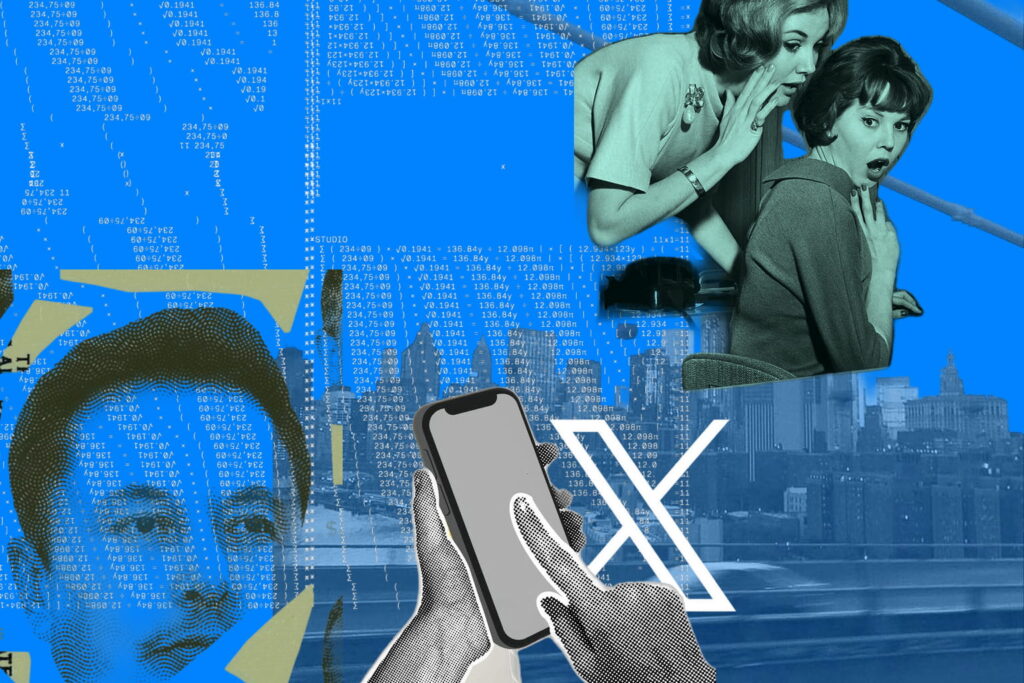
X is another case, and probably the most explicit one. Reuters reported in January 2025 that X had struck a partnership with Visa to offer direct payment solutions. The Verge later reported that X Money had secured money transmitter licenses in 41 US states, with peer to peer payments and bank transfers forming the first step of a broader product. Last week, Reuters reported that Elon Musk said X Money would enter early public access in April 2026. This is not a finished super app, but it is no longer just rhetoric either.
Meta is moving in a quieter way. WhatsApp already has formal payments terms and business messaging infrastructure in place for supported markets. At the same time, Meta is under constant pressure from European regulators over data use and platform power, which tells you something important about the Western version of this story. The ambition is there, but every expansion toward a larger platform model will be tested against privacy and competition law.
Why the West resisted the model for so long
There are three reasons the super app took root faster in Asia than in Europe or North America.
The first is regulation.
The European Commission has made the Digital Markets Act one of the key rules shaping how large platforms can behave, and in April 2025 it fined Apple and Meta under that framework. That is a very different environment from the one that allowed earlier Asian super apps to expand across messaging, payments, commerce, and services with fewer structural constraints.
The second is privacy.
Western users are more sensitive to the idea that one company could hold their messages, payment history, identity data, and shopping behavior in the same place. That concern is not abstract. WhatsApp has spent years dealing with European privacy scrutiny, including a court backed challenge in February 2026 over a major EU privacy fine. Even when users enjoy convenience, they still want limits.
The third is habit.
The Western app economy was built around specialization. Uber for rides. Venmo for peer payments. Amazon for shopping. Booking for travel. Each category created its own trusted winner. A super app has to offer more than convenience. It has to give users a reason to break a routine that already works well enough.
What changes the equation
Payments.
That is the piece that can quietly redraw the map. Once money starts moving inside a platform, the platform changes. A chat app becomes a place to pay a merchant. A social app becomes a place to tip a creator. A transport app becomes a wallet. A financial app becomes the starting point for travel, shopping, and identity checks.
This is why the Western version of the super app may emerge from the payment layer first, not from messaging alone.
It also explains why politics, tech, crypto, and finance now feel more connected than they did a few years ago. The pressure to modernize payments is coming from several directions at once. Social platforms want new revenue. Fintechs want deeper user relationships. Global networks like Visa are investing in faster and more flexible money movement, including stablecoin settlement and new cross border tools. The companies building the future interface are different, but they are all moving toward the same problem. How do you make money movement feel native inside the product?
What comes next
The most likely outcome is not one giant Western super app that owns everything.
A more realistic scenario is a few powerful ecosystems. One may grow from social and creator payments. Another may come from messaging and commerce. A third may come from fintech, where banking becomes the base layer for travel, shopping, and identity. Users may still keep several apps on their home screen, but the walls between them will matter less because more of them will handle transactions directly.
That shift may look gradual from the outside. But these changes often feel slow until they stop feeling optional.
The Payoro perspective
This is where payment infrastructure becomes more important than the interface itself.
Super apps only work when the money layer feels invisible, fast, and reliable. The moment payouts fail, onboarding drags, or cross border routing becomes messy, the product promise breaks. That is why the quiet infrastructure underneath these platforms matters so much.
Payoro sits in that layer. Through a single API, Payoro supports mass payouts across 80 plus IBAN countries, with embedded compliance and onboarding built into the flow. The platform reports a 99.65 percent payout success rate and zero downtime since 2021.
If the Western super app finally arrives, it will not be built on vision alone. It will be built on payment rails that do not break when scale arrives. That is the part worth watching now, because it is usually where the future shows up first.
Share article on


Related articles
See all articles 
The GENIUS Act Passed. Now the Hard Part Starts.
Ask a treasury manager what they think about stablecoins and you will usually get one of two answers....

Why instant payments changed user psychology forever
There was a time when waiting for money felt normal. A bank transfer initiated on Friday would arrive...
Compliance Became The Product
For years, fintech companies sold a simple promise: moving money should feel as easy as sending a message....
The death of traditional banking UX
When Elon Musk said X Money would enter early public access in April 2026, most people saw another...